


Engineering Electric Space Heaters: Why 400V, Halogen, and R7s Define Industrial Performance
We build electric space heaters for the places that need heat—real heat—and need it yesterday. Think industrial. Think machines, processes, and spaces that can’t afford guesswork. This isn’t about making a room feel cozy. It’s about delivering precise warmth, fast, and without drama.
Power, Voltage, and Dimensions: The Why Behind the Choices
Here’s the thing about industrial settings: they run on serious power. That’s why we spec these heaters at 400V. It matches the three-phase power most plants already have, which means less current is drawn and the wiring stays manageable. Take our 2500W model. At 400V, it pulls just 6.25A. That keeps the wiring simple while packing a serious punch of heat density. And the 300mm length? It’s a sweet spot. Long enough to spread the warmth across a good area, but short enough to slip into tight chambers where space is at a premium.
The Core: Halogen, Coating, and R7s
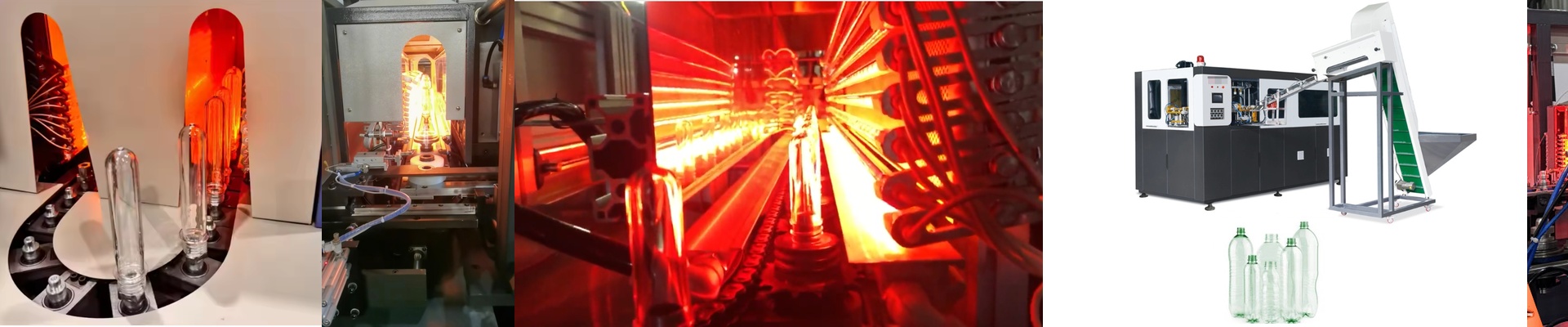
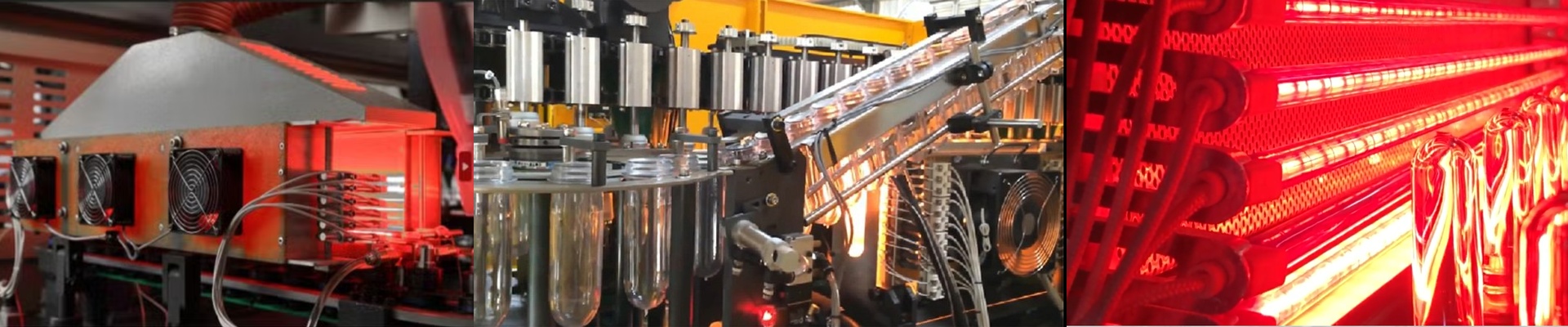
Inside, you’ve got halogen elements nestled in a quartz envelope. They crank out intense infrared heat that kicks in almost instantly. The coating on the quartz tube is chosen for one main reason: to handle the shock of repeated heating and cooling without breaking down. So the output stays consistent, day after day. Then there’s the R7s connector. It’s an industrial workhorse for a reason. It handles high heat, makes a rock-solid connection, and lets you swap a heater out in minutes without overhauling the whole setup.
Where This Setup Shines
In a real factory, you need heat that just works. That installs without a headache. And that you can replace without a major engineering project. This heater delivers concentrated power in a small footprint. It speeds up cycle times and keeps wiring simple. But there’s one catch: that 2500W density means you need to plan for proper cooling and heat management. You’ve got to protect nearby components from the intensity.