
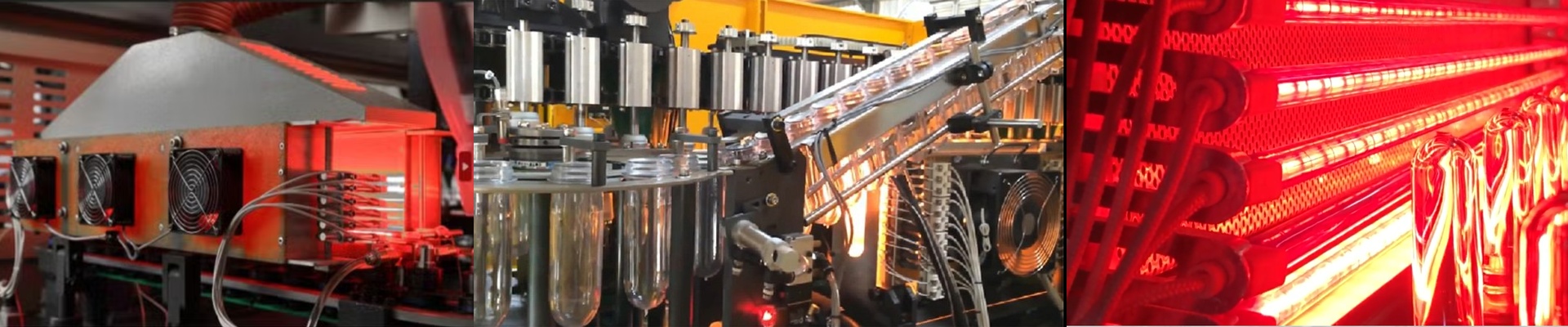


When service hits, you can’t afford to wait on your deck oven. Preheat lag and uneven heat across the stone hearth drag out service, murder thin crusts, and kill the caramelization that makes your pie worth ordering. The place to fix that is right at the heating element.
What matters under the hood
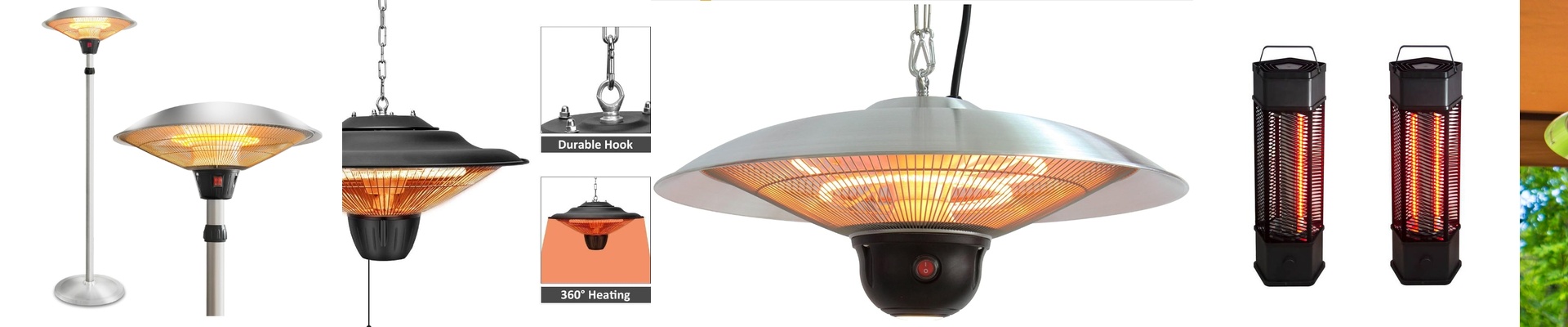
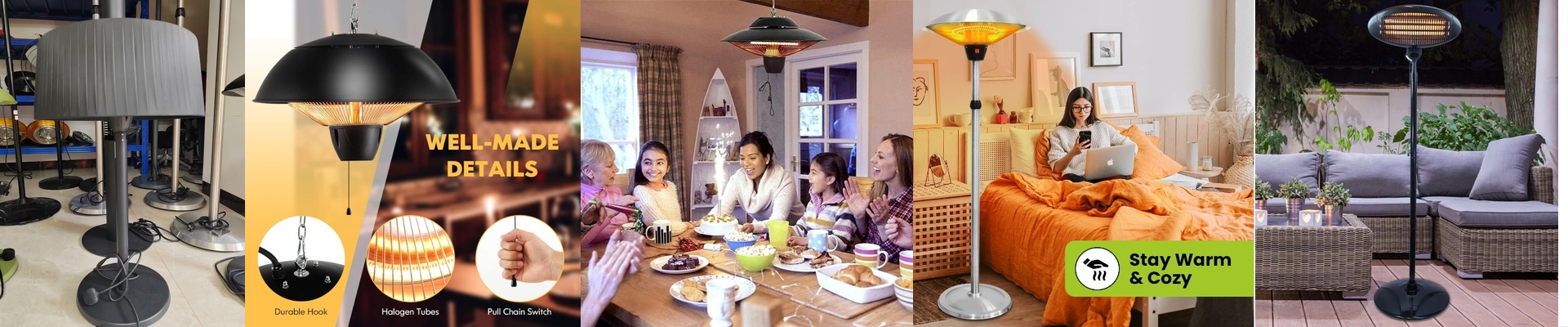
We built these heavy-duty halogen replacement bulbs to live in deck ovens. They throw rapid radiant heat with a short-wave profile that gets through toppings and crisps crusts without scorching. You can spec them in 240V or 380V, with 1.5–3.0 kW output, and choose standard E27 or recessed bayonet bases to match your socket. The quartz envelope takes thermal shock from repeated on/off cycling, and the filament support is reinforced to handle shock and vibration in a busy kitchen. The payoff is consistent color temperature across the baking chamber, so every pie bakes and looks the same.
Why this makes sense in a deck oven
In a deck oven, radiant heat from the top element sets crust structure and controls browning. These halogen bulbs come up to target temperature in minutes, not tens of minutes, so you cut preheat time and squeeze more turns through service. Even radiant output smooths out hot and cold spots on the stone. That means predictable bake times and fewer send-backs. You also end up using less energy per bake cycle because the element heats fast and holds steady, and the long service life means fewer service interruptions right when you’re slammed.
The shop-floor details
Halogen bulbs run hot—power off, let the oven cool, and use heat-rated gloves before you swap one in. Double-check socket type, voltage, and wattage against your oven rating; mismatched wattage can overheat wiring and sockets. These bulbs are built for deck ovens, not convection or rotary ovens with forced air—airflow changes how heat transfers, and that matters. Keep the thermostat calibrated, and keep the socket and terminals clean and dry.