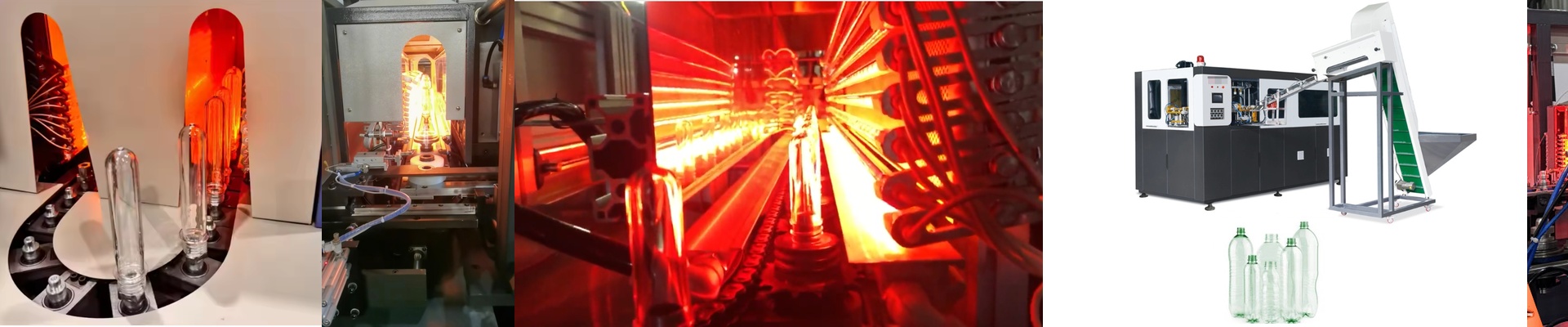
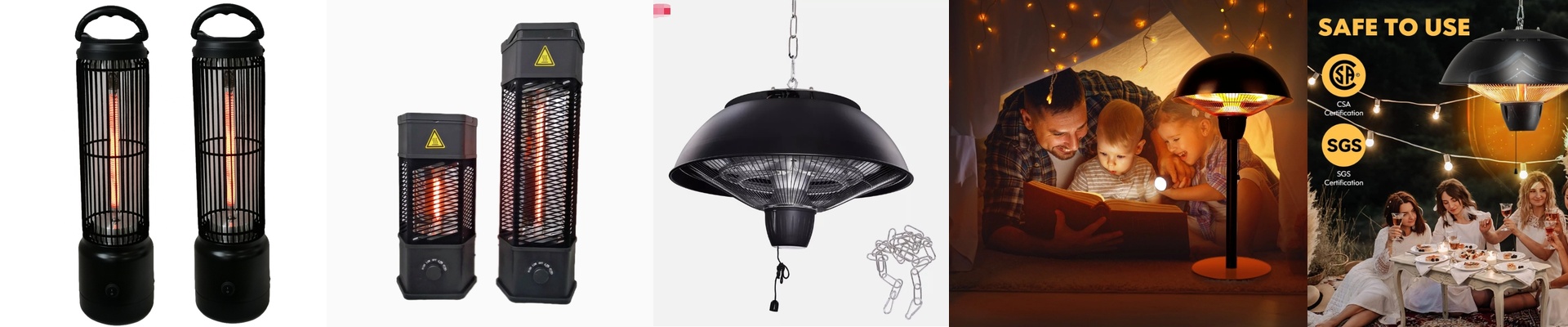
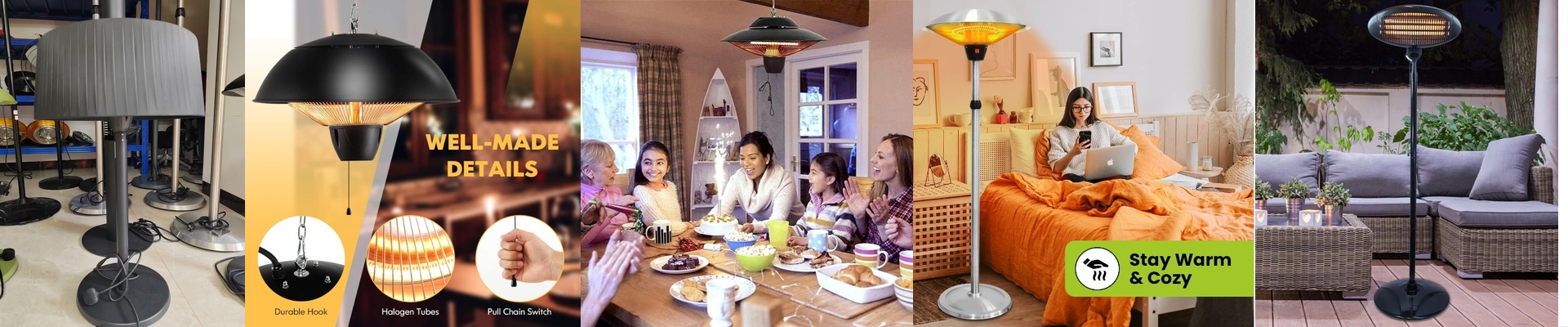
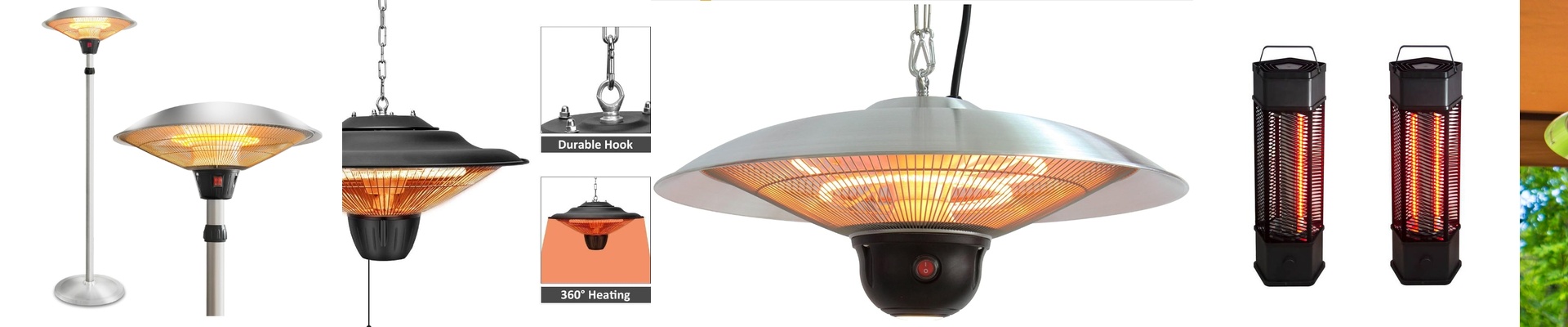
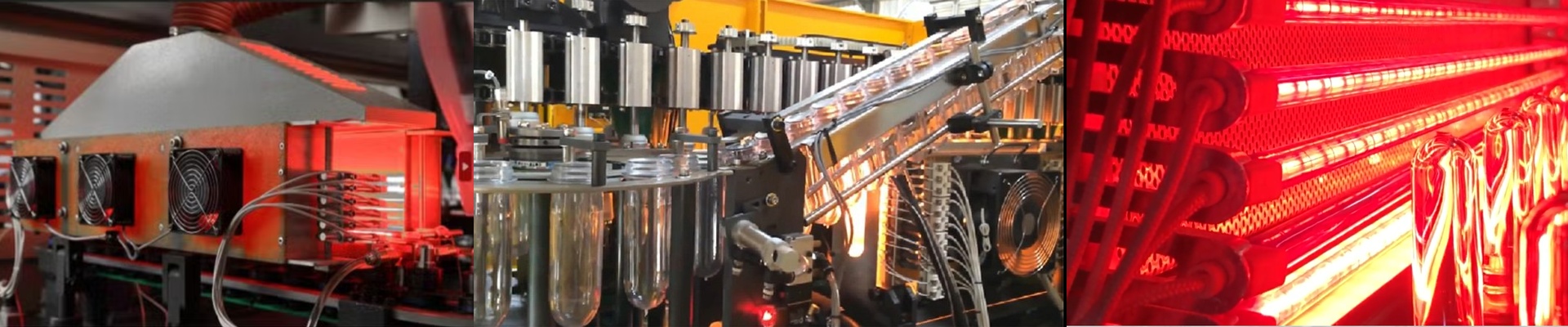
When service is live, you can’t afford to wait around for heat. Buffet lines, catering platters, and pass-through warming need an element that fires up fast, holds steady, and recovers instantly between pans. That’s why chafing dish infrared heaters—built and tested at the factory—are the practical choice for operators who measure performance in seconds, not minutes. A slow, lagging heater drags the whole line down. Food sits, quality slips, tickets stack up, and the team starts improvising with extra burners and guesswork. Infrared cuts through that by delivering radiant energy straight to the pan, not the air around it. The payoff is immediate response and repeatable temperature control right when you need it.
What matters, technically
Infrared heaters for chafing dishes aren’t interchangeable. The performance you feel on the line comes down to emitter material, watt density, and how the assembly is engineered to handle heat, steam, and constant movement. We build our units with quartz tube emitters in 240V or 120V configurations, sized to match common chafer footprints. Typical ratings run about 1.5 kW to 2.0 kW per heater—enough radiant output to do the job without overdriving the thermostat. The emitters sit in a steel or stainless housing with reflectors that focus the energy downward, so the heat goes where the pan is, not up into the ceiling or out the back wall. The control is a thermostat matched to the heater’s thermal behavior, not a generic dial. It reads the temperature at the pan interface and holds the setpoint within a tight window, even when cold pans hit the line or the pass door swings open. That matters because chafing is about holding food in the safe, high-quality zone—not boiling it dry. Factory testing verifies the basics that matter in daily service: warm-up time, steady-state temperature, recovery after loading, and cycle life. In our builds, we target sub-30-second warm-up to full output, stable holding temperatures, and repeatable cycling without overshoot.
Why it works where it matters
In a busy kitchen, speed and consistency are the same thing. Infrared chafing heaters deliver both. The moment a pan goes under the element, heat hits the surface and starts holding temperature. Platters come out the same way every time—sauces stay silky, proteins keep their texture instead of drying out. When the rush hits, the heater recovers quickly between pans, so the pass doesn’t slow down. That also changes how you schedule. Because the heat is ready immediately, you can stage food closer to service and cut overall holding time. Less holding means less overcooking, fewer remakes, and fewer tickets stuck waiting for heat. Energy use drops because the energy goes straight to the pan. You’re not heating a giant chamber or a column of air that escapes every time the service door opens. In practice, that translates to a noticeable reduction in energy per service hour compared with older open-burner or convection-style warming setups. Durability is part of efficiency. A kitchen is hot, wet, and fast. We spec the housing and mounting hardware for that reality, and we pair the emitter with a thermal design that keeps internal components in their safe operating range. Fewer failures mean fewer spares in the drawer and fewer service interruptions.
The real-world details you need
Infrared chafing heaters are straightforward, but they come with constraints you should plan for. Clearance matters. Radiant heat needs line-of-sight to the pan, so keep the heater close enough to do its job, and don’t block the reflector with oversized pans or mismatched chafer frames. Minimum clearances aren’t arbitrary—they keep the housing from overheating and protect the thermostat from false readings. Power has to match the heater. If you run a 240V unit on a 120V circuit, performance will fall short. If you run a 120V unit on 240V, you’ll shorten component life and risk damage. Wire size and fusing should follow the factory spec, and the outlet needs the correct breaker protection. Cleaning affects longevity. Splashes, sugar, and sauce buildup can create hot spots on the housing and reflector, pushing temperatures higher than intended. Wipe the reflector and housing regularly with a damp cloth, and keep the thermostat area clean and dry. And here’s the thing: infrared emitters have a finite life. Even under good conditions, tube output gradually declines. Treat it like a consumable—plan spares, keep a spare mounting bracket on hand, and train staff on a quick swap. That small habit keeps the line moving without surprises. If your goal is keeping food at the right temperature, fast, then a chafing dish infrared heater built at the factory with the right emitter, control, and housing is a practical upgrade you can trust on the line.