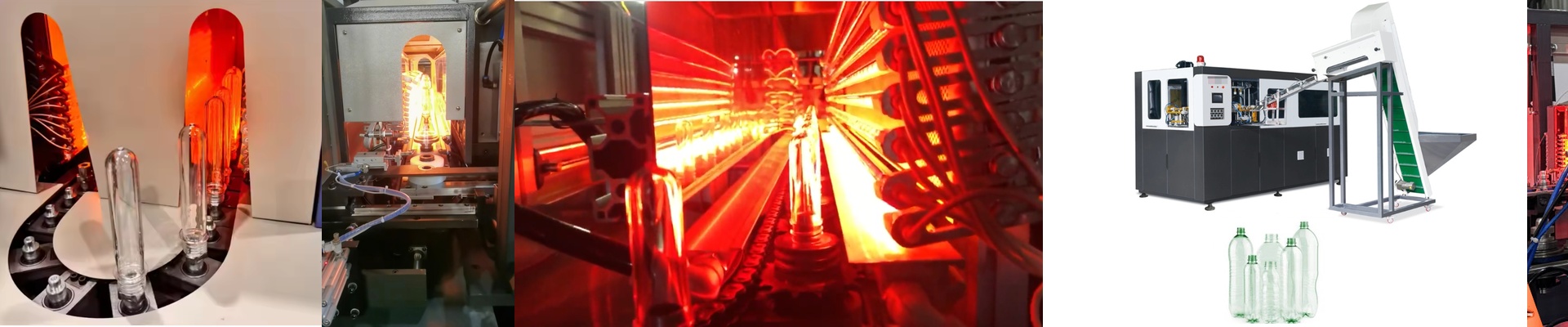
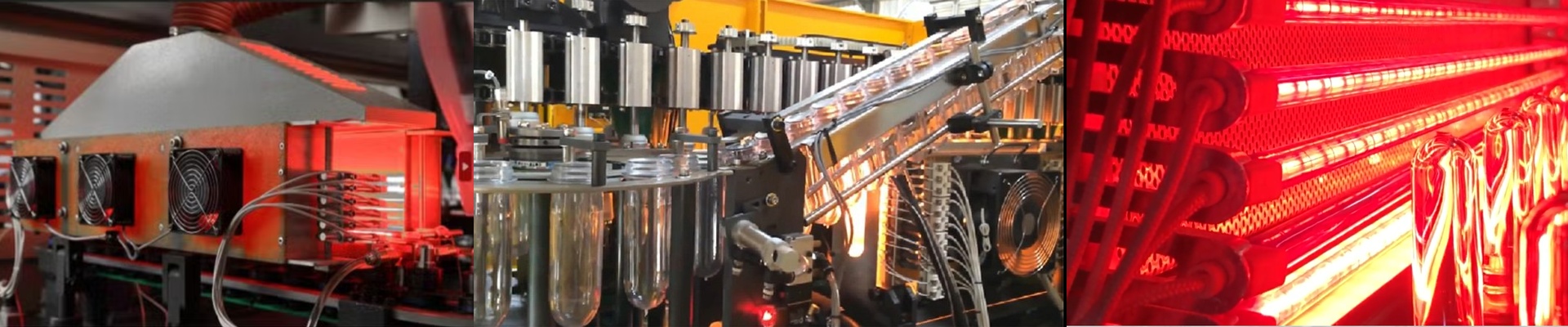

When the line is moving and you can’t wait on a sanitation cycle, slow warm-up kills your pace. On an oven that doubles as a disinfection chamber, lag means idle equipment, uneven coverage, and the very real chance that cold spots stick around. We built a fast-response infrared heating element to cut that delay out of the workflow.
What matters, technically
Infrared heats surfaces directly—not the air around them. Our element uses short-wave infrared, so it responds instantly and hits full output within seconds. That means the disinfection cycle starts right away. Targeted wavelengths focus the energy where it’s needed, giving tight control over the baking chamber temperature and consistent radiant intensity across the load. Precision isn’t a slogan; it’s repeatable setpoint control that keeps cycle parameters stable shift after shift.
Why this makes sense in practice
In a kitchen where ovens double as disinfection chambers, speed and coverage are non-negotiable. The fast response shortens the sanitation cycle, so you get equipment back sooner. Infrared lays down even radiation, which cuts down on shadowing. Racks, pans, and utensils get uniform heat—no hot zones, no cold zones. That means fewer failed audits, less rework, and lower energy use per cycle because you’re not over-running the heat just to compensate for a sluggish ramp-up.
What you need to know on the install and maintenance side
Installation is straightforward, but the element has to be matched to the oven’s power circuit and mounting clearances. Because infrared delivers intense localized heat, verify that nearby components can handle the radiant load, and keep reflectors clean so intensity stays consistent. Plan for proper thermal protection and routine inspection—especially in high-moisture sanitation environments where thermal shock can stress connections over time.