
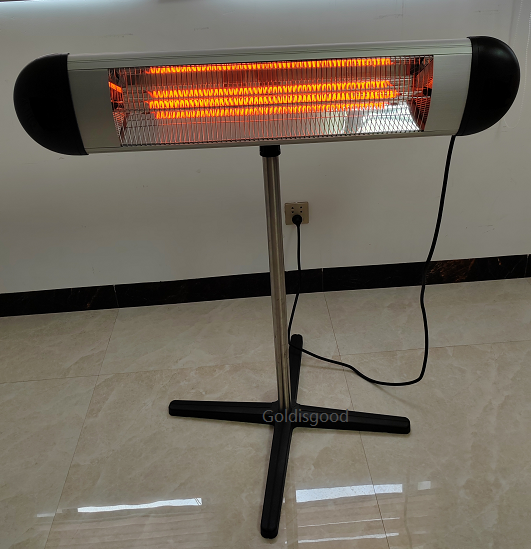
Introduction
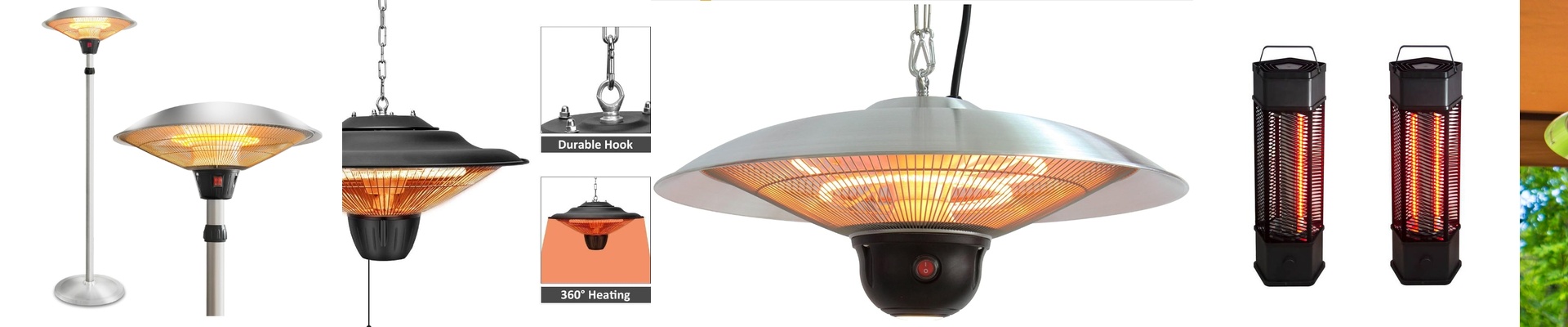
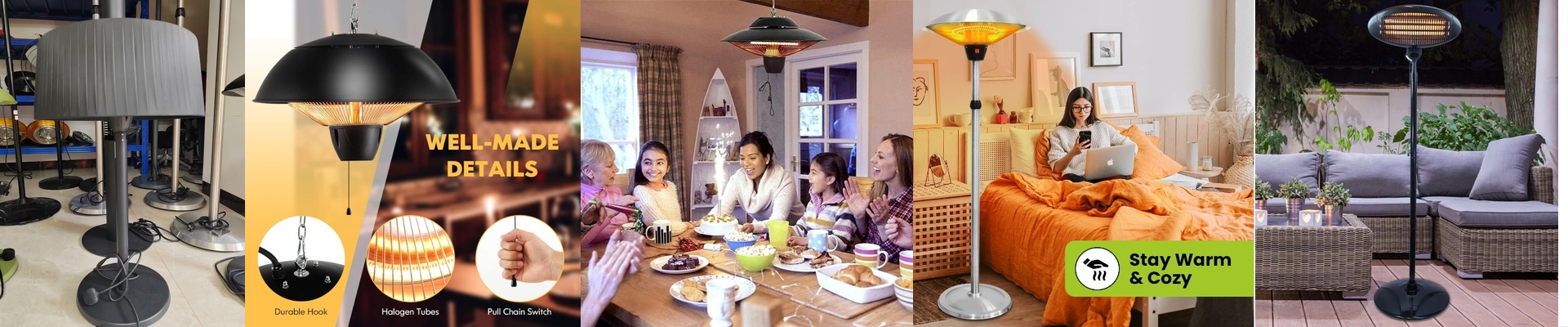
Picture this: you’re in a space where dampness is a constant companion—a bathroom, a wash station, a humid production area. You need heat, but you can’t just slap in any old heater. It has to be tough, smart, and precise. That’s exactly why we built the IP55 waterproof table heater. It’s not just a box that gets warm. It’s a focused infrared system designed to keep surfaces at the right temperature and keep mold from getting a foothold. For the engineers who keep these spaces running, it means localized heat that doesn’t overwork the building’s HVAC or risk electrical trouble in wet zones.
What Makes It Tick
Let’s talk about the IP55 rating. It’s not just a number—it’s peace of mind. It means the housing and all internal connections are sealed tight against water jets and dust. No short circuits. No corrosion. Just reliable operation, even when things get wet. We designed it to run on standard industrial voltage, packing serious infrared power into a compact footprint. And the geometry? It’s made for table mounting, so the heat goes exactly where you need it. No wasted energy. No unnecessary strain on the building’s systems. Just immediate, directional warmth.
The Inside Story
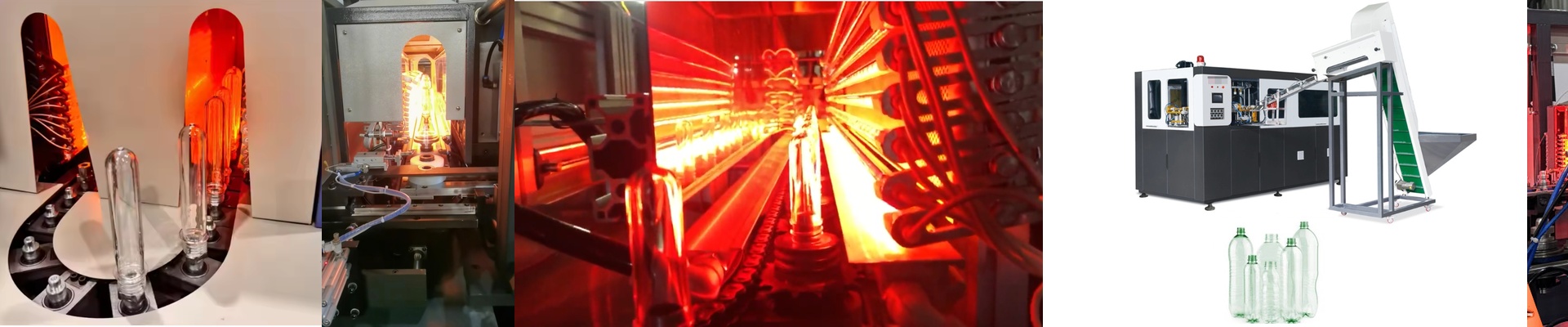
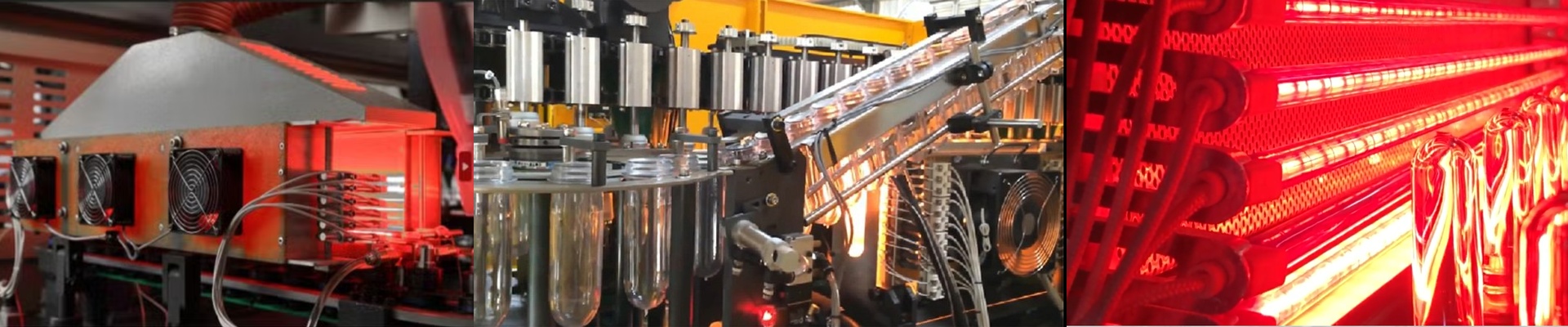
Inside, you’ll find a quartz infrared emitter paired with a halogen element. Together, they deliver shortwave radiation that penetrates surfaces directly—think of it as warming the object, not the air around it. The quartz tube handles rapid temperature changes and stands up to constant on-off cycling without breaking down. We also added a protective coating on the outer sheath to keep output steady and shield the element from moisture. And for installation, the R7s connector locks in securely, handling high current without loosening over time. This thing is built to endure humid, demanding environments day after day.
Real-World Payoff
In bathrooms, the infrared spectrum does more than just add warmth. It warms cold surfaces, which cuts down on condensation—the stuff that feeds mold. So you get dehumidification right where you need it, at the source. For engineers, that translates to fewer service calls for mold issues and less wear and tear on nearby fixtures. And if you’re swapping out an old heater, this unit drops right in. Its sealed design can handle direct washdown, so you don’t have to worry about water intrusion.
The Trade-Off
Now, with all that heat density comes a need for smart setup. You’ve got to make sure there’s enough airflow and thermal space around the mounting area. If the enclosure is too tight, the local temperature can rise faster than the heat can dissipate. So plan your space accordingly—give it room to breathe.