
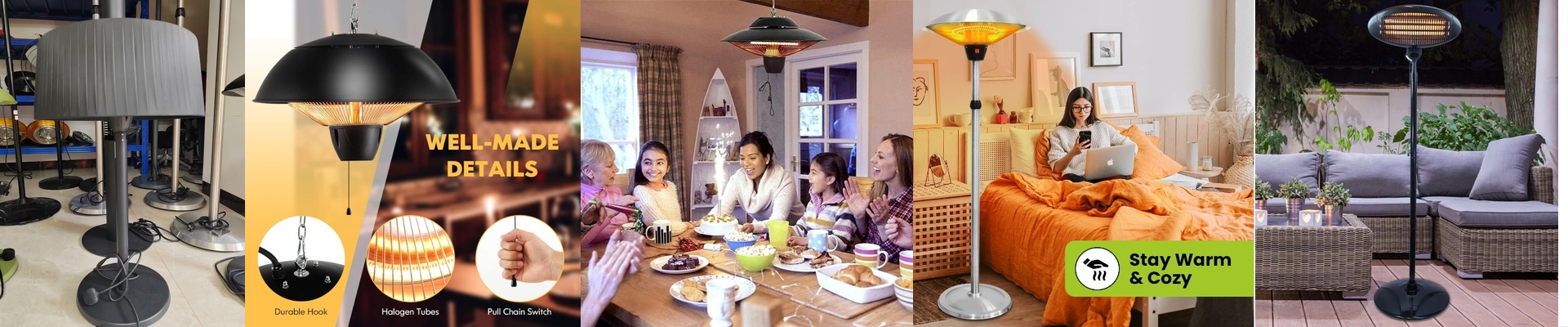
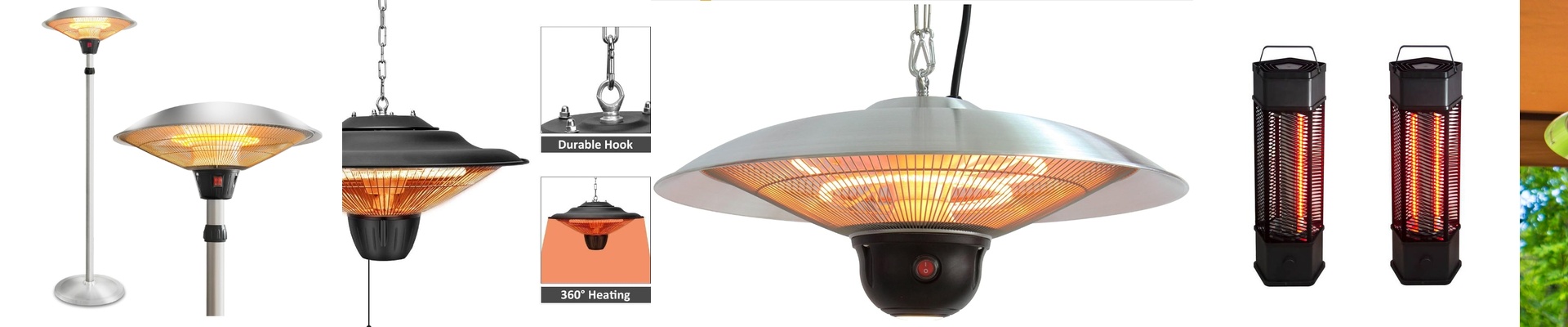

A light coating of dust on an infrared mini space heater isn’t just surface grime. It acts like an insulating blanket, trapping heat on the element and hazing the reflector. The practical result? Output drops, warm-up drags, and energy use climbs—sometimes by a noticeable margin. In a workshop, garage, or sunroom where you count on quick radiant warmth, that performance drift means you feel the chill sooner and the bills rise faster.
What matters under the hood
Infrared mini heaters deliver comfort through radiant heat, warming people and surfaces directly instead of trying to heat the air. Most compact models run on 120V and use either a quartz tube or a carbon fiber element, paired with a reflector to focus the output. Wattage usually sits between 400W and 1,500W, sized to match small zones. Look for a stable stand, a cool-touch housing, overheat protection, and tip-over protection. For outdoor use, the IP rating tells you whether the internals are shielded from moisture and dust.
Why this shines in drafty, open spaces
In places that stay drafty or open, infrared warmth hits the spots you can’t easily reach with central air. You feel the heat within seconds, and because the warmth is directional, you can keep the heater focused on chairs, workbenches, or entryways without wasting energy on empty corners. Keep the surface clean and the reflector clear, and the unit holds its efficiency—so you’re spending energy on warmth, not on fighting the heater.
The things you’ll run into
Mini infrared heaters are sensitive to airflow and debris. Use a soft cloth and mild cleaner, and never spray liquids into the vents. Give the unit clearance from curtains and furniture, and keep it on a level surface so the thermostat and safety switches do their job. If you’re running it in a damp area, confirm the IP rating matches the environment. One trade-off to keep in mind: radiant heat warms objects, not the air, so you may notice cooler air between you and the heater. That’s normal. Just position the heater so the beam lands where you sit or work, and you’ll feel the difference.