


Introduction
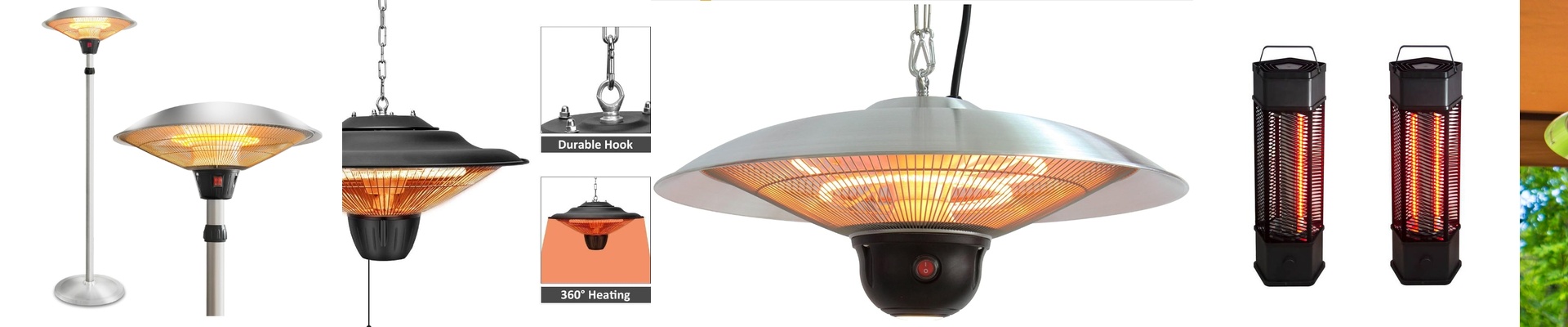
We built these halogen room heaters for engineers who need heat in a small, powerful package. Think of them as focused infrared—not warm air. They’re made for spot heating and direct-contact jobs, where you need heat right there, exactly where you point it. The whole idea is simple: a quartz tube, a halogen fill, and an R7s base. It’s a combo that’s built to handle being switched on and off again and again without flinching.
The Details, Straight Up
These units run at 230V or 400V, and the wattage scales to match the job. Go with higher voltage, and you get lower current for the same power. That makes wiring easier and keeps connection stress down in fixed setups. Tube length is matched to wattage density, too. A 300mm tube, for example, packs the element into a tight footprint. So you can fit serious heat into tight spaces without fighting for room.
What It’s Made Of
The quartz envelope stays solid even at high temperatures—no softening, no drama. Inside, the halogen cycle keeps the filament stable over time, so performance stays consistent. We added a reflective coating on the tube to push more infrared energy forward. The result? Better directional efficiency. You get more usable heat where you need it. And the R7s double-ended connector? It gives you a secure, aligned fit that carries the load without extra brackets. It’s a straight drop-in replacement for existing R7s fixtures, so you can wire it up and get back to work fast.
Where It Shines (And What To Watch For)
Halogen heaters are at their best when you need fast heat-up and precise targeting. The infrared output hits immediately, which can shorten cycle times in enclosed work areas. But here’s the trade-off: that concentrated heat density means you need proper thermal management. Plan your mount clearances and ventilation. Run the unit within its voltage and ambient specs, and you’ll get heating that’s repeatable and predictable—day after day.