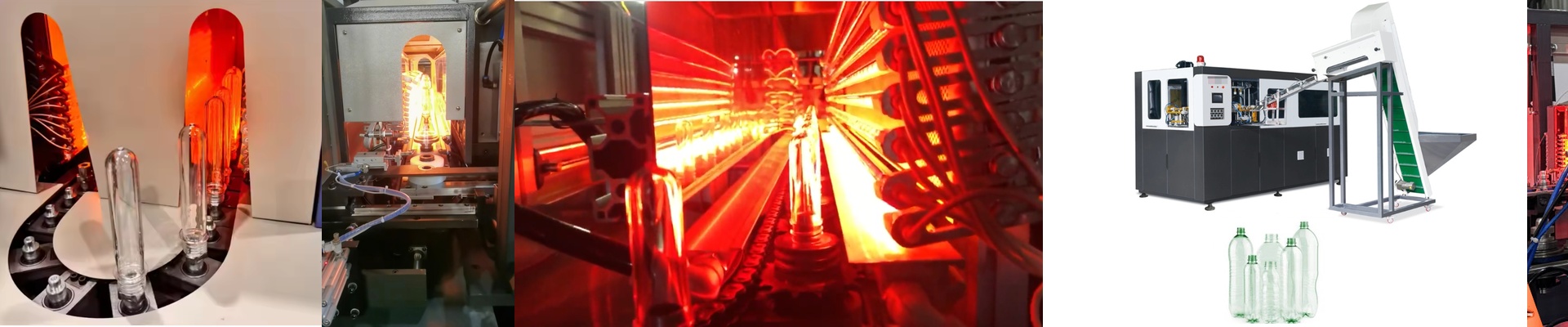
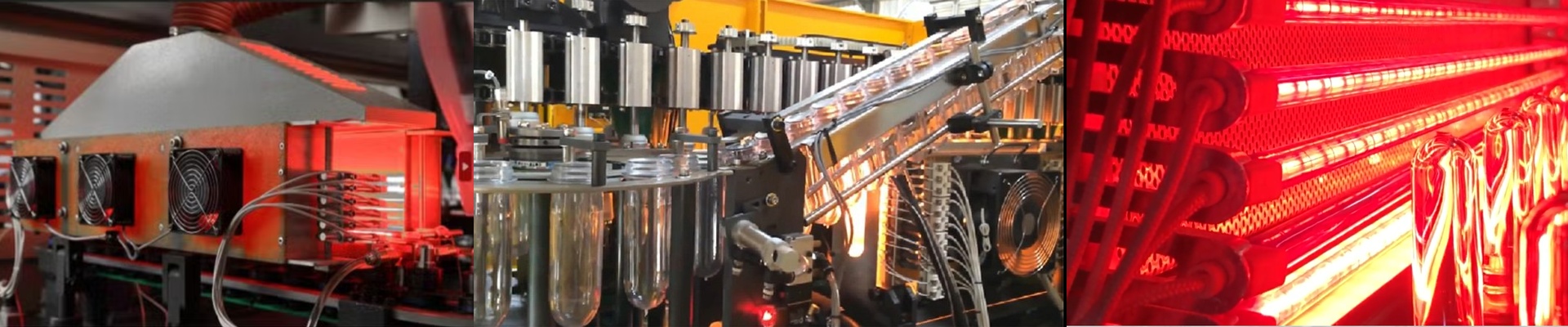
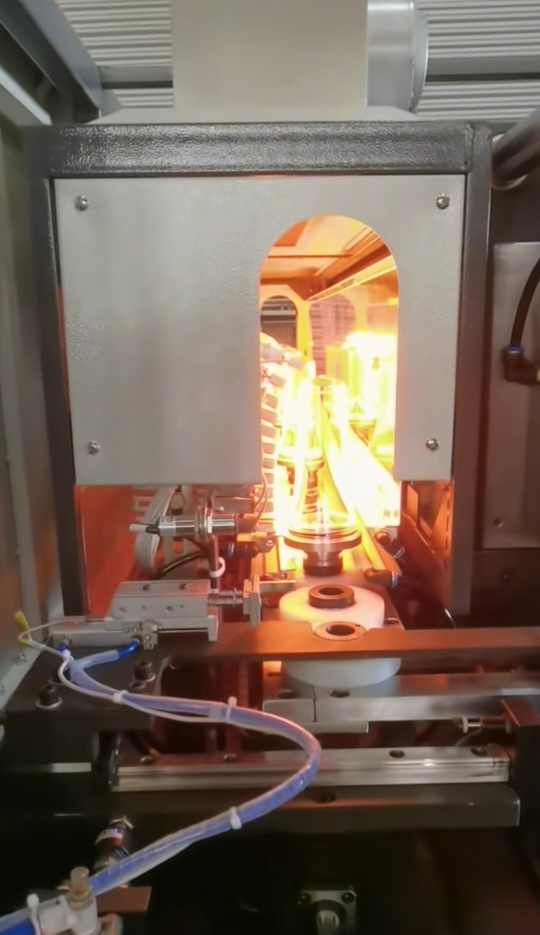
On the floor, the HyPET 225 is happiest when the heat is predictable. But once those infrared heater bulbs get old, preform heating starts to drift. You know the signs: cycle times creep up, stretch becomes inconsistent, and scrap piles up. You’re already paying for the downtime to swap them out—bad heating just makes every hour of that downtime hurt more.
What actually matters under the hood
We build the replacement to match the HyPET 225 heating tunnel geometry and the electrical demands it calls for. The emitter is a short-wave quartz envelope with a high-stability filament, sized to the OEM wattage and voltage. The R7s connector lines up with the original socket, so you can swap without modifying brackets or rewiring anything. Thermal response is fast, so the heating profile stays stable cycle after cycle, even when the line is running hard.
Why this works in the real world
With a properly matched infrared bulb, you get tight control over preform temperature again. That means fewer pinholes, better weight distribution, and bottle geometry that stays consistent. In day-to-day operation, teams see fewer heating-related alarms and less scrap. Energy use drops because the emitter hits setpoint quickly and holds it without chasing it, so there’s less overshoot. And replacement intervals stretch out, which means less time on the ladder and more time making good bottles.
The details that bite you if you skip them
Installation is straightforward, but treat the quartz bulb like the precision component it is. Keep the socket clean, don’t over-torque, and double-check that the voltage matches the machine tap. Never touch the emitting surface—oil residues create hot spots and cut life short. If you’re running 24/7, plan the swap during a planned maintenance window. That way you can verify the heating profile and recalibrate the temperature zones after the bulb goes in.