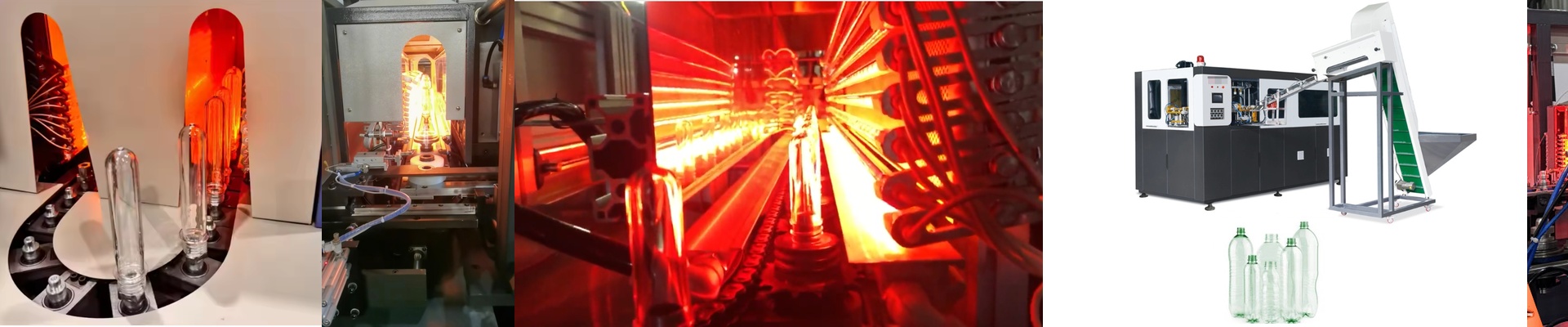
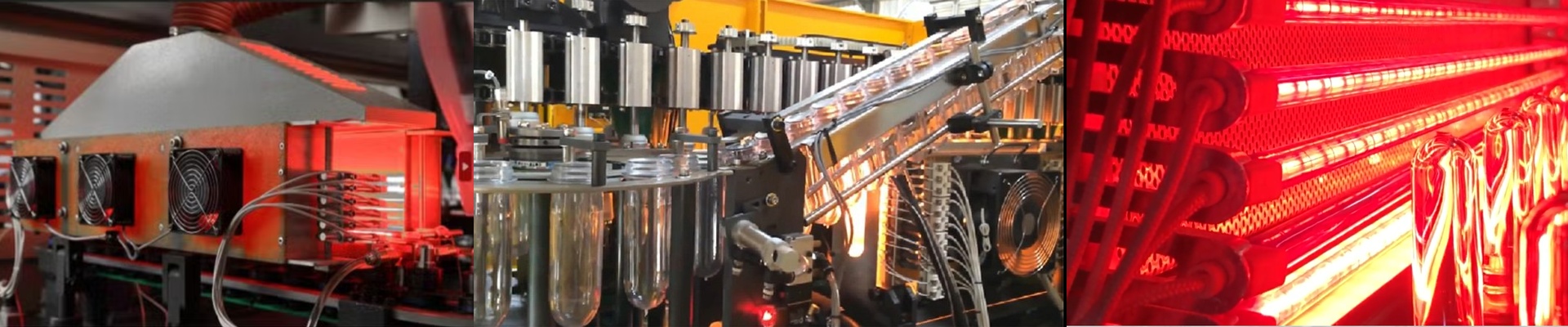
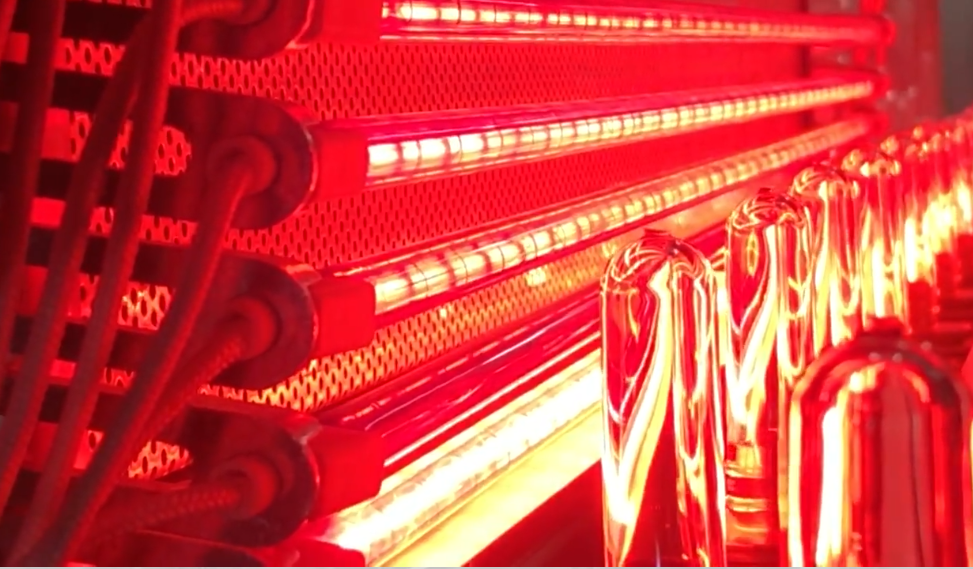
On a PET line, the heating tunnel is where you earn your uptime and defend your bottle quality. Let one IR lamp underperform and you’ll see the fallout immediately: uneven preform heating, pressure swings in the blow molder, then scrap—weak bottles or blown cavities. The SIPA SFL 6/6 linear blower IR lamp is engineered to keep that tunnel stable, day in and day out, on SIPA SFL 6/6 blow molding machines. What matters under the hood We spec the SIPA SFL 6/6 IR lamp as a short-wave halogen emitter, matched to the machine’s heating-zone geometry. The quartz tube gives you fast thermal response, so the heating profile tracks setpoints quickly when you switch preform colors, weights, or material batches. Output is sized to lay down consistent radiant energy across the full tunnel width, and the lamp uses the standard R7s connector with dimensions that line up with the original SIPA holder. That 1:1 fit is the difference. A mismatched lamp can shift focus, create hot and cold bands, and leave you chasing temperature balance instead of running the line. Why it plays in a linear blower In a linear blower layout, the preform only gets a short window under heat. With the right lamp, it hits target temperature within that dwell, so stretch blow molding runs with repeatable wall distribution and consistent bottle weight. You end up with fewer rejects, more stable cycle rates, and less operator tinkering. Energy stays tight, too—the emitter heats on demand and cools quickly when the machine stops, so you don’t bleed kWh per thousand bottles on long soak losses. Field notes that save headaches Installation is straightforward, but the heating tunnel has to be clean and aligned. A reflector that’s even slightly off will change the spot size on the preform and shift the heating curve. Verify voltage at the terminal, confirm the lamp is seated properly, and set replacement intervals by run hours—don’t wait for a failure. Pushing lamps beyond rated life raises the risk of output drift, and that drift shows up as quality variance long before the lamp looks “done.”