
Baseboard Heaters, Demystified: Power, Fit, and Control
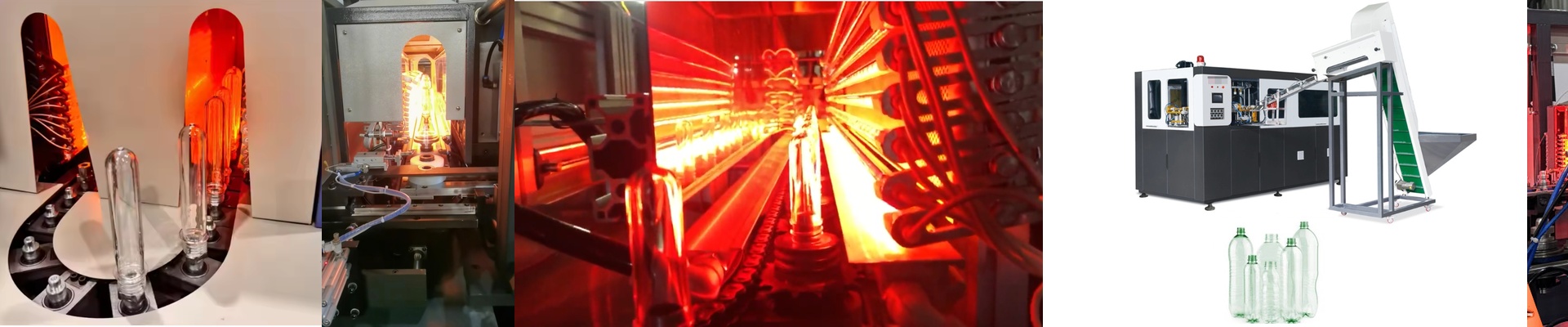
Let’s talk about baseboard heaters that actually do the job. We designed these with one thing in mind: packing serious heat into a seriously small footprint. The heart of it all is a halogen quartz tube. It’s built to thrive in tight spots and respond to temperature changes almost instantly. You get to pick the wattage and voltage that matches your needs, and the length that fits your space. Go for a 400V, 2500W setup, and you’re looking at serious heat density. But that kind of power means you need a control circuit that can keep up, and enough cooling inside the enclosure to handle it. And the 300mm length? It’s a deliberate choice. It slips right into standard channels, so you don’t have to rework your whole machine layout.
The Materials and Design Choices That Actually Matter
Here’s why we stick with halogen quartz tubes. They keep the heat output steady over time. How? By running the filament hotter, which stops that annoying blackening and keeps the infrared output consistent. And the quartz itself? It’s tough. It handles rapid temperature shifts way better than regular glass, so it won’t crack when you cycle the heat on and off quickly. Then there’s the R7s connector. It’s more than just convenient. It locks the tube in place with a solid, reliable connection, handling the current without needing extra adapters. This keeps the joint cool and cuts down on failures out in the field. Some versions even have a special coating to fine-tune the heat spectrum for faster absorption on your target. Just know that coating adds a bit of thermal mass, so you’ll need to leave enough clearance when mounting it.
Where They Shine and What to Watch For
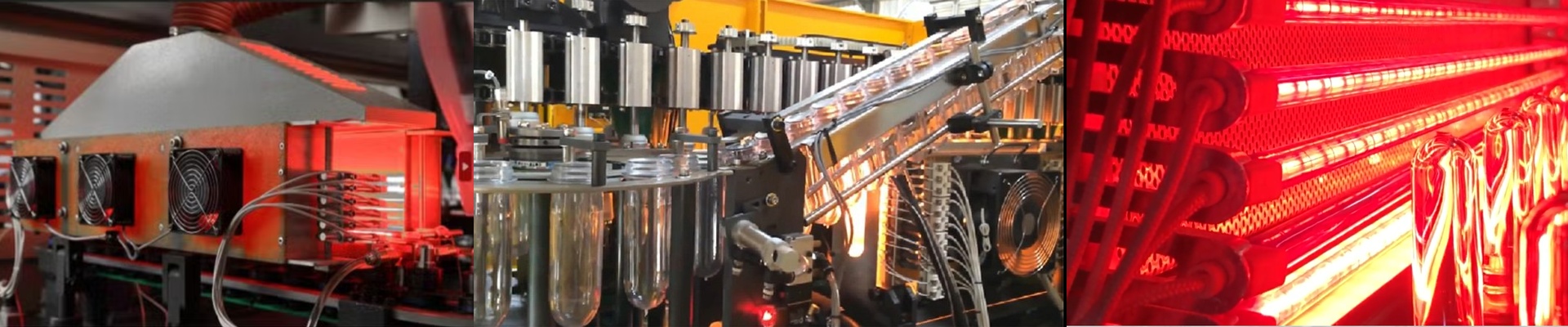
These heaters are made for industrial baseboards and focused heating jobs where space is tight and speed matters. The combination of high wattage, precise dimensions, and the R7s termination gives you a drop-in replacement that’s a breeze to wire up and stays perfectly aligned. You get heat output you can count on, performance that’s repeatable, and far fewer burnouts caused by vibration and constant heating and cooling. But here’s the trade-off. That concentrated heat demands proper heat sinking and smart wiring routing. If you skip that, the driver electronics can overheat, and that cuts the life of the unit short.