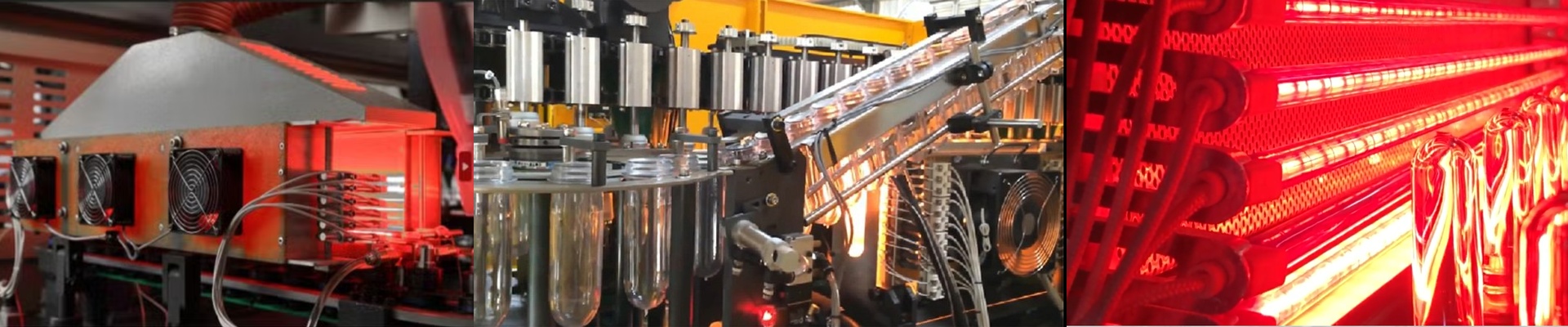
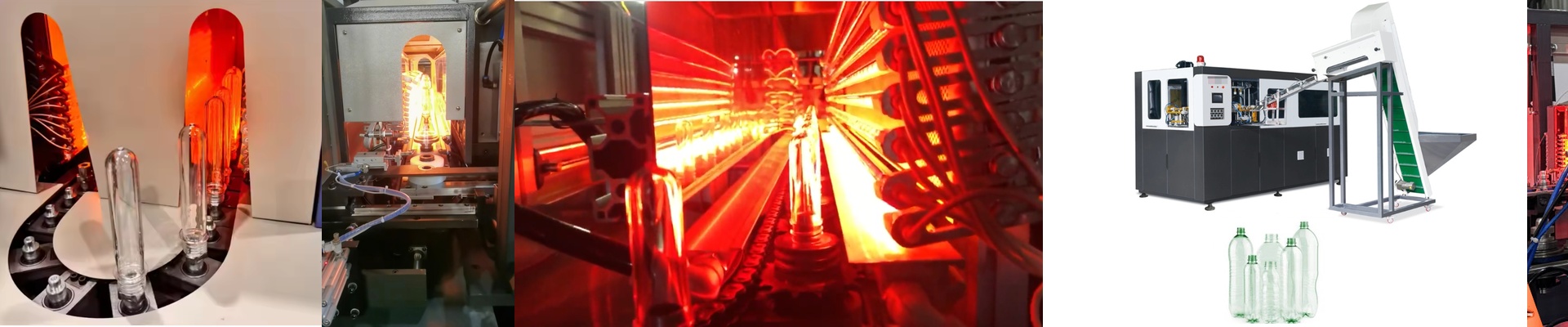
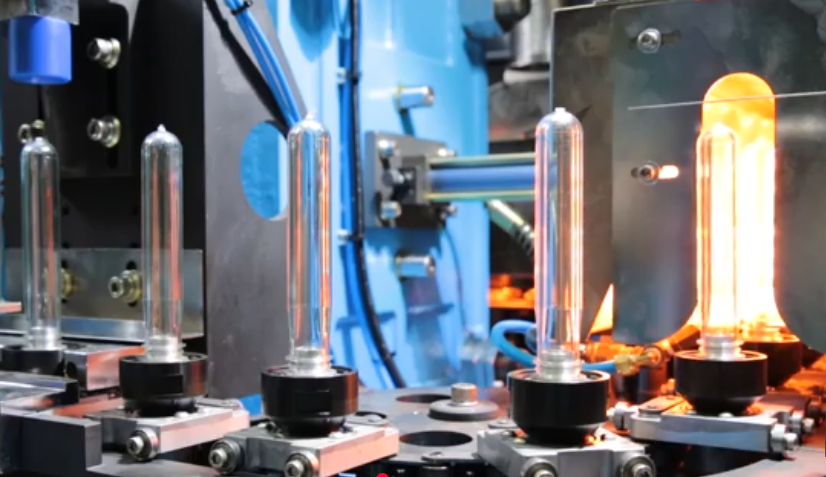
On the floor, a blown bottle reject isn’t just scrap. It’s resin you paid for, time you lost, and a heating profile that wandered off. When the preform heating tunnel runs hot or cold, the whole stretch blow molding cycle feels it. We built our custom-length infrared lamps to kill the drift and put control back where it belongs—in your hands. What matters, technically These emitters are built for the tight geometry of preform heating, using short-wave quartz infrared so response is fast and repeatable. You specify the length—down to the millimeter—so the lamp drops into your tunnel without a rework, whether your blow molder is Sidel, Krones, SIPA, Husky, SACMI, or Nissei ASB. Standard options cover 120V/240V and common terminations like R7s, with power matched to the OEM zone layout. The payoff is stable surface temperature, predictable output, and consistent heating across the preform wall. Here’s why it works in practice. Go Custom on length and you stop wrestling with stock lamps that never quite fit. The emitter seats clean in the reflector, so the energy lands where it should and the heating curve holds steady. In real terms, that means fewer rejects from uneven stretch, faster warm-up, and bottle weight that stays consistent. Energy use drops, too, because the emitter heats on demand and holds output with minimal overshoot. On high-volume lines, we’ve seen teams cut heating tunnel energy by 8–12% and trim lamp-related changeovers by 20–30%—uptime that adds up. A few things to keep in mind. Matching lamp length is only half the job. Reflector condition, terminal temperature, and airflow in the heating tunnel all shape performance. Clearances need a check, and alignment needs a re-check after installation. If your line runs high-heat profiles for heavy bottles, plan on shorter emitter life and keep spares on the shelf. A quick thermal scan after the first week is a smart move to dial in the zones.