

Why You Should Ditch Those Old Bathroom Heat Lamps for IP65 Infrared
Let’s be honest: those old-school bathroom heat lamps are kind of a joke. They’re basically just light bulbs that get hot, and they aren’t built for the one place they actually live—a room full of steam. If you’ve ever had one of these burn out right in the middle of January, you know the drill. Steam creeps into the housing, ruins the contacts, and pop—the circuit shorts. It’s a cycle that happens every single winter. That’s why we’ve started moving everyone over to IP65-rated infrared heaters. They actually handle the environment.
What “IP65” actually means for your shower
You don’t need to be an engineer to get this. IP65 is just a fancy way of saying the unit is sealed tight. No dust gets in, and water can’t get in either, even if it’s spraying from different angles. In a bathroom, the real enemy isn’t a splash of water; it’s the steam. It settles inside the electrical parts and eats them alive. We use heavy-duty gaskets and waterproof cable entries so the moisture never even touches the live wires. It means you aren’t replacing your heater every twelve months.
The feeling of infrared (vs. just heating the air)
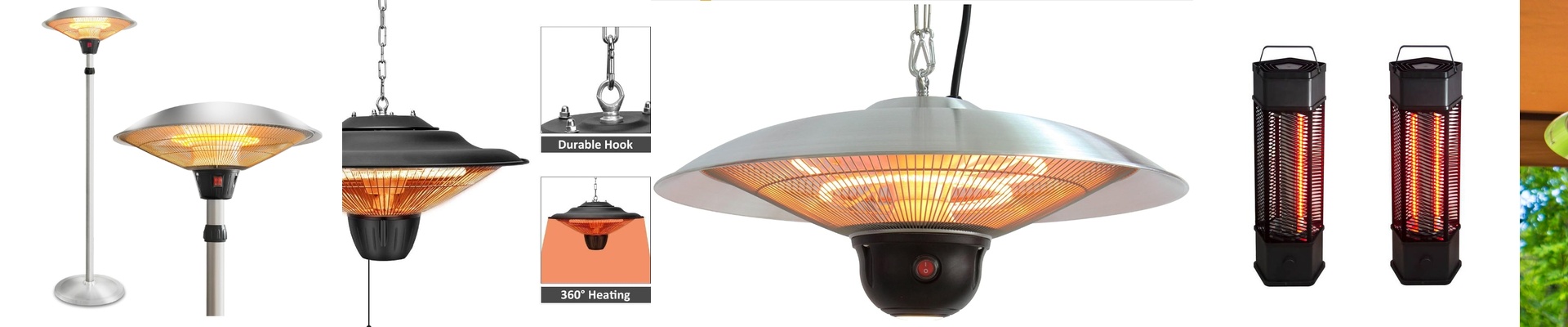
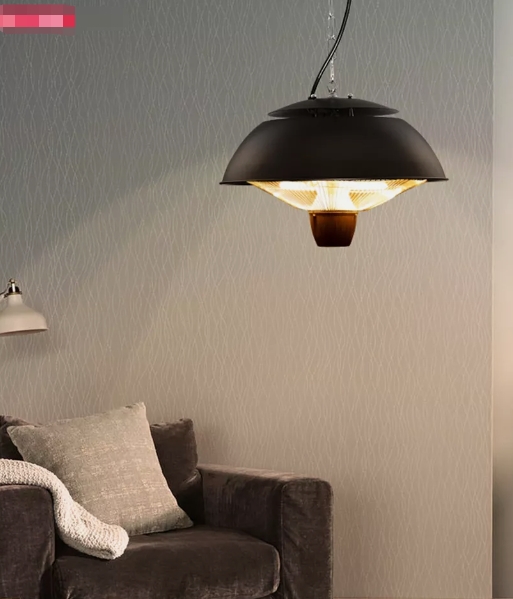
Standard heaters try to warm up the air in the room. But if you have a drafty bathroom or a window that doesn’t seal perfectly, that heat just floats away. You’re left standing in a cold room with a warm ceiling. Infrared is different. It doesn’t care about the air. It sends out radiation that hits your skin directly. It’s instant. We use high-grade quartz tubes that hit their peak temperature in seconds. You don’t have to wait ten minutes for the room to “warm up.” You just flip the switch and feel the heat immediately. Plus, the units are smaller, so they don’t take up your whole ceiling.
A quick heads-up on installation
Here is the catch: you can’t just swap the wires and call it a day. These units pull more power than a simple light bulb. You’ll want to make sure your wiring gauge is thick enough to handle the load. If the wiring is too thin, you get a voltage drop, and the elements won’t get hot enough. It’s a small detail, but it’s the difference between a toaster-warm bathroom and a lukewarm disappointment. The best part? Once it’s wired in, you’re done. No filters to swap, no vents to scrub, and no dust clogging up the works. It just works.