
Hanging Patio Heaters: The Secret Behind the Warmth
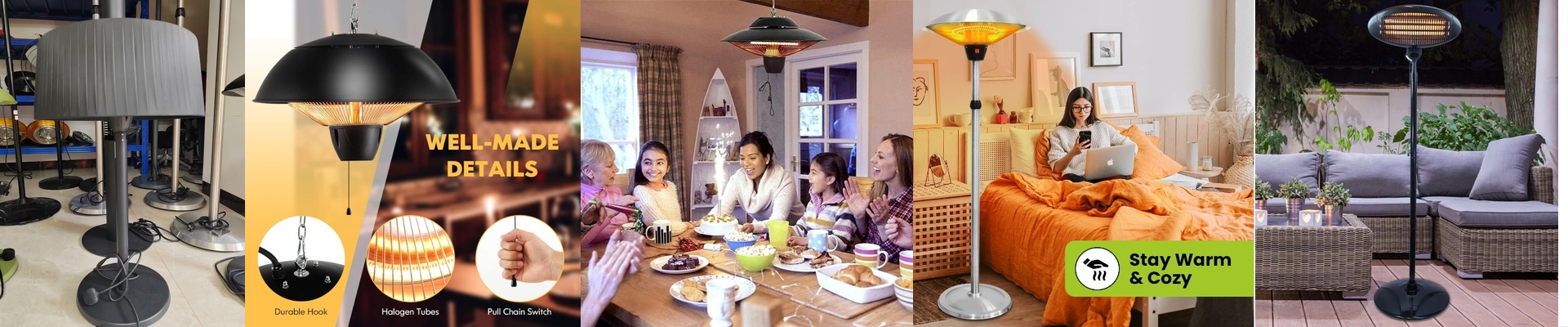
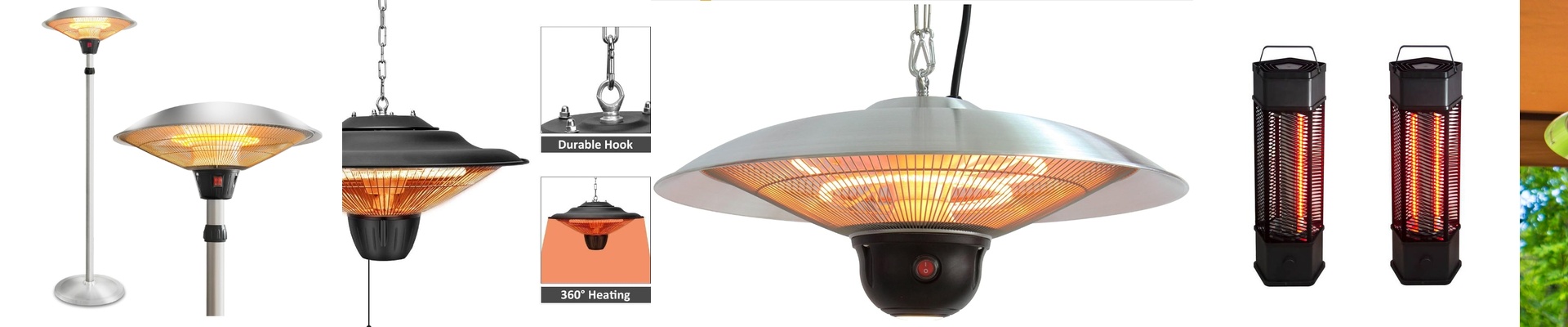
Here’s the thing about hanging patio heaters—they’re not just giant lamps. They’re serious workhorses, built from the ground up to throw off serious heat out in the open. We designed them to be industrial-grade, because they have to put up with the constant on-and-off cycling and whatever the weather throws at them on a busy commercial patio.
What Makes Them Tick: Power, Voltage, and Size
Let’s get into the details. A typical heating tube is about 300mm long and packs a 2500W punch. That’s a lot of power packed into a small space, and it’s exactly what’s needed to create intense infrared heat. The beauty of that is it warms people and furniture directly, not the cold air around them. And you’ve got options on the power front: they run on either 230V or 400V. Choosing the higher voltage is smart because it lowers the current draw, which means you can use thinner cables and puts less stress on the connections.
The Heart of the Heat: Halogen, Quartz, and R7s
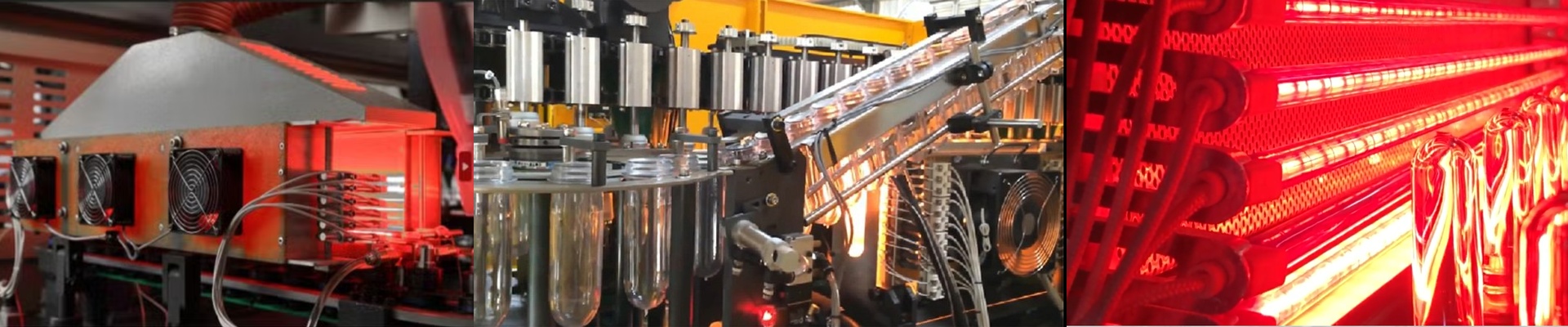
Inside that tube, a clever process is happening. It’s all based on a halogen cycle, sealed inside a quartz envelope. Quartz is the perfect material for the job. It can handle the extreme heat of the filament and doesn’t crack when it’s switched on and off over and over. The halogen gas inside does its part, too, protecting the filament from breaking down. This keeps the heat output steady and gives the whole thing a much longer life than a standard infrared bulb. Then there’s the R7s connector. It’s the industry standard for this type of tube, and for good reason. It gives you a solid, two-point connection at both ends of the tube. It’s designed to flex just enough to handle the quartz tube expanding and contracting with the heat, so it never loosens up.
How It All Comes Together for You
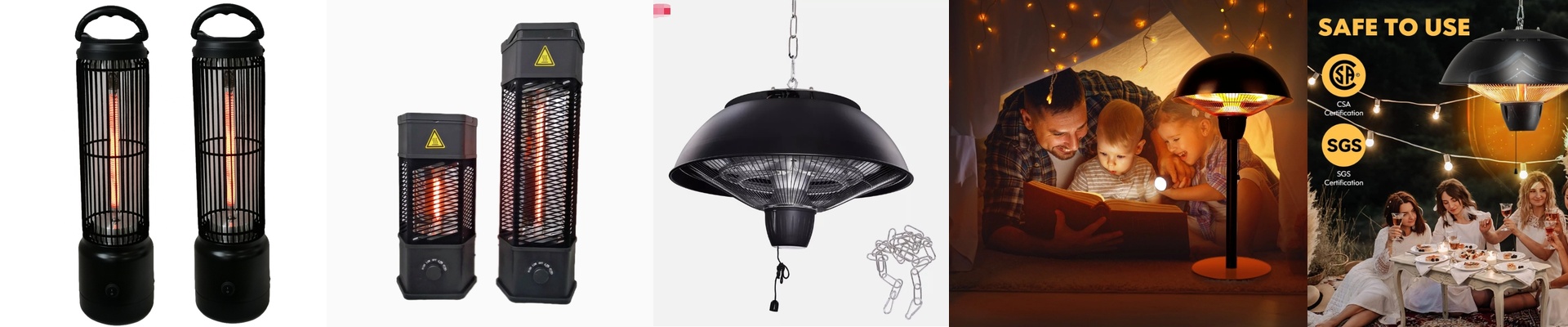
So what does all this engineering mean when you’re actually using it? It means you get a heat source that’s small, focused, and goes right where you need it. Hang it overhead to warm up a seating area without getting in the way. The best part? The heat is instant. As soon as you turn it on, people feel that warmth. Of course, that kind of power comes with a little responsibility. You do need to make sure there’s enough clearance from anything that could burn, and the unit has to be properly enclosed to keep the elements out. For anyone installing them, it means a straightforward process that’s built to code, and a system that’s reliable and easy to keep up with.