
Introduction
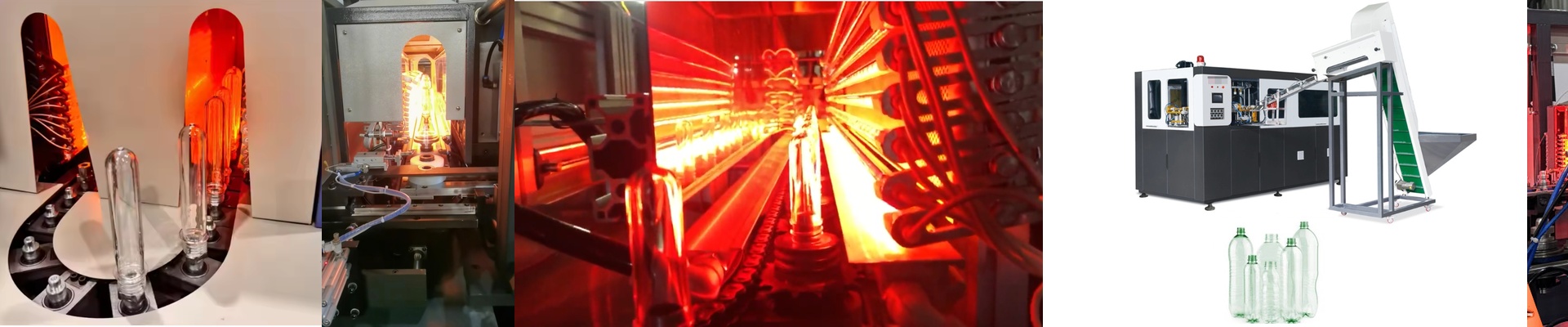
Let’s talk about the headache of tube burnout on your SIG Blomax line. It’s the kind of problem that stops production and drains your patience. The real culprit? The heater gets hammered by thermal and mechanical stress every time it cycles fast. So, we built a replacement that can actually take the heat. It’s reinforced, built to last, and designed to be a simple drop-in upgrade for your SIG machine. No more premature failures. Just a heater that shows up and does its job, day after day.
Power, Voltage, and Dimensions: The Details That Matter
We know PET preforms demand a lot of power. That’s why we spec these heaters to match that intensity. It runs on a 400V high-voltage input, packing the wattage you need into a compact space. That’s how you get the searing heat required for precise parison control. The 300mm length is intentional, too. It hits the critical heating zone perfectly without wasting energy on unnecessary heat spread. The result? A tight, repeatable heat profile. That means you get consistent wall thickness and far fewer scrap parts.
The Heart of It: Material and Design
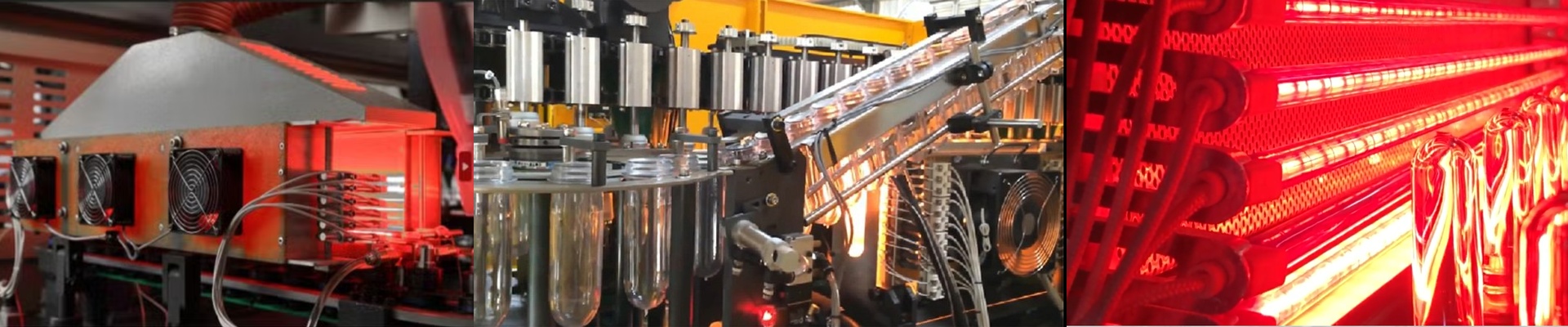
Inside, you’ve got a shortwave halogen element housed in a high-purity quartz tube. Quartz is the hero here—it handles wild temperature swings without cracking. And the halogen element just keeps performing, even after thousands of cycles. We also added a protective coating to fight off oxidation and the chemical buildup from plasticizers. Then there’s the R7s connector. It’s the standard for a reason. It locks in fast and secure, holding steady against the machine’s vibration. No wiggling, no loose connections. Just a clean, stable electrical connection you can count on.
Real-World Performance: Built for the Blomax
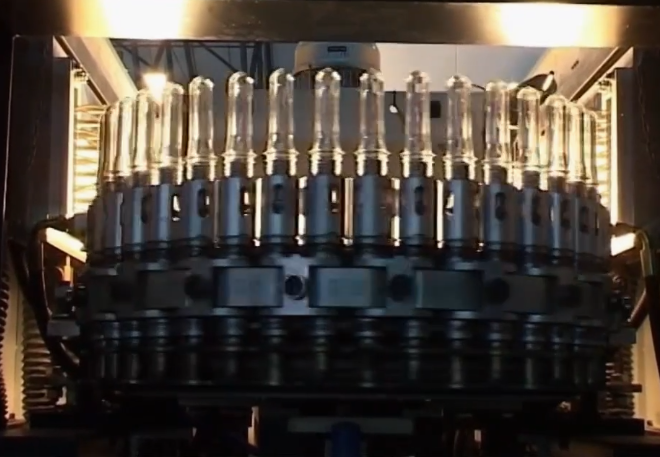
On your Blomax, this heater is a direct fit. Seriously, you just swap it in—no machine modifications needed. We’ve reinforced the ends and key support points to stand up to thermal shock and line vibration. That means a longer service life, way fewer unexpected stops, and less money tied up in spare parts. Just a heads-up: because of the high heat density, your machine’s cooling system needs to be up to the task. Keep an eye on ambient temperature and airflow to make sure the chamber stays within safe limits.