
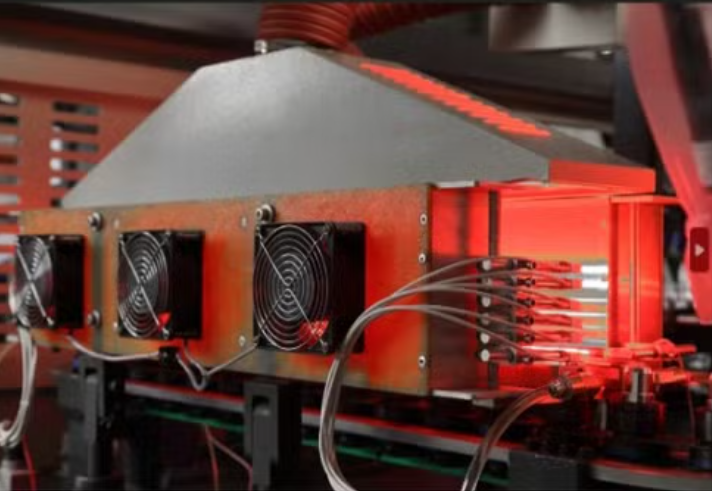
The Lamp That Just Drops In: For Your SIPA Blow molding Machine
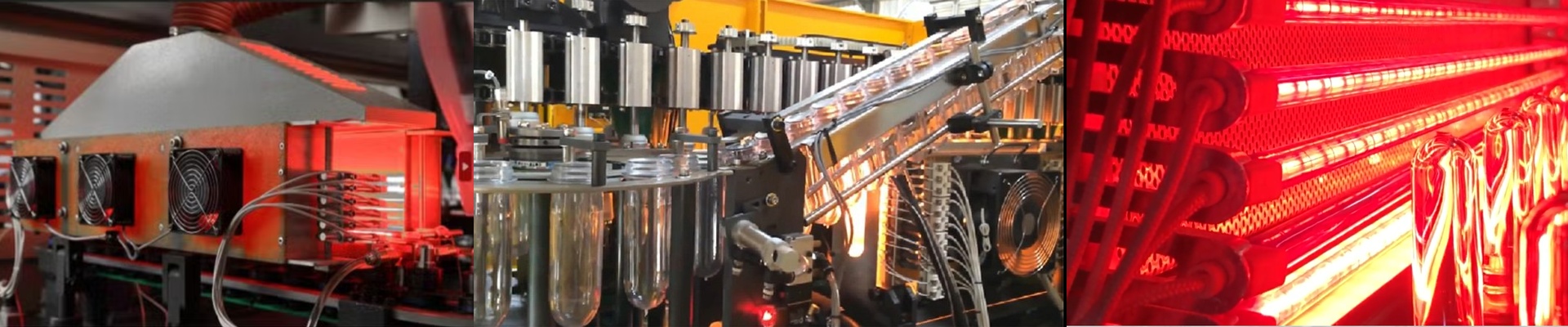
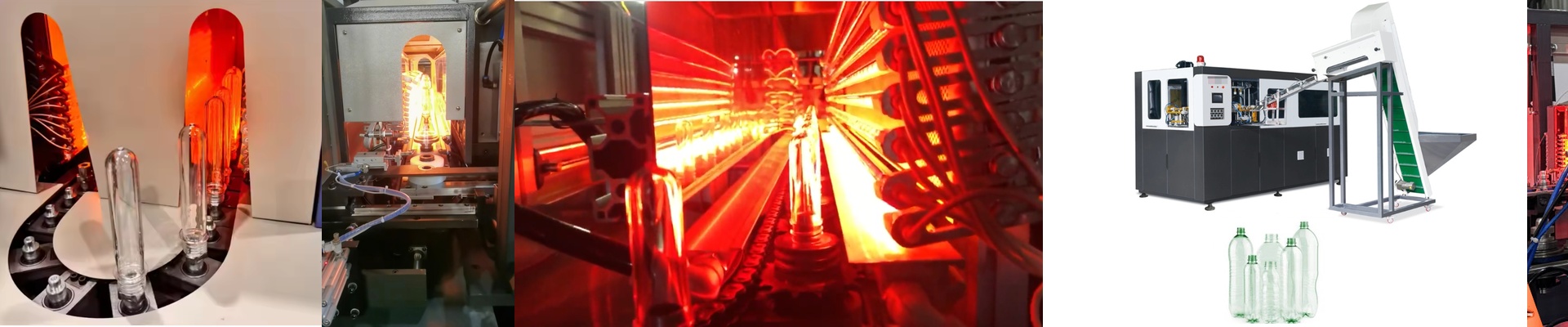
Let’s cut to the chase. We built this replacement lamp with one machine in mind: your SIPA blow molder. The specs aren’t suggestions—they’re what the job demands. It’s made to fit like a glove. The quartz tube length matches the original perfectly, so it slides right in. No messing around with machine re-layouts. Just swap it out. Inside, it’s running on a 400V input. That’s what gives it the guts to deliver the high current and hit the wattage you need. This setup actually keeps the current lower on the line side, which is a nice bonus. But here’s the catch: it needs a steady power supply. If your machines are running hard, you might see voltage dips. So before you install it, just make sure your power can hold steady.
What It’s Built From: Quartz, Tungsten, and a Rock-Solid Fit
The tube is quartz. No debate. It handles the brutal shock of heating up fast and cooling down just as quickly. And it stays clear even when the heat is on, so your heating profile stays consistent. Inside, you’ve got tungsten wire with a halogen fill. This keeps the filament stable. The halogen cycle does its job, fighting off blackening over time. That means you get steady, reliable output for longer stretches. The connector is R7s—a double-ended ceramic type. It locks in place and handles high current without ever loosening up. It’s a direct, mechanical fit for your SIPA machine. No adapter plates. No rewiring. Just plug and play.
How It Performs: Fast Heat, Real-World Trade-Offs
In blow molding, you need heat that’s fast and focused. You need to soften the parison without turning the whole machine into a sauna. This lamp delivers that high heat density in a compact footprint. The heating zone reacts quickly when you change the setpoint. That responsiveness makes your cycles more consistent. But here’s the trade-off: that power density pushes ambient heat into the machine. So you’ve got to make sure the cooling path is solid. Check your airflow, shielding, and thermal management. If you’re replacing a unit that was already pushing the limits on cooling, take a moment to verify your airflow and mounting clearances.
What You’re Actually Paying For
Material transparency matters. You’re paying for quartz and tungsten, not a fancy brand sticker. We match the original materials and the exact geometry your machine needs. The electrical and thermal specs are spot-on. The result? A drop-in replacement that does the job without charging you for a brand premium. For the engineers out there, the value is straightforward: right materials, right dimensions, right connector, and heat output you can count on. Spec it. Wire it up. Run it.