Why We Use “Second-Level” Temperature Control in Baking Ovens
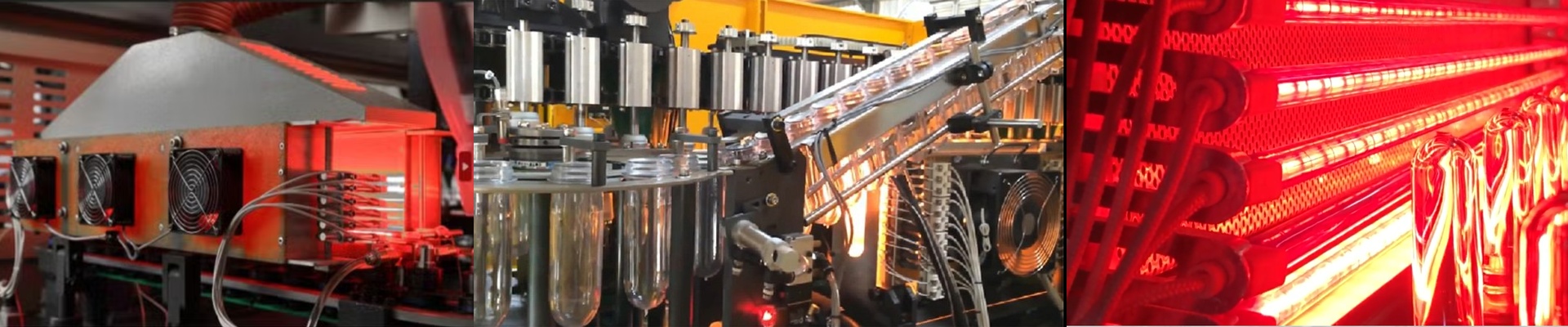
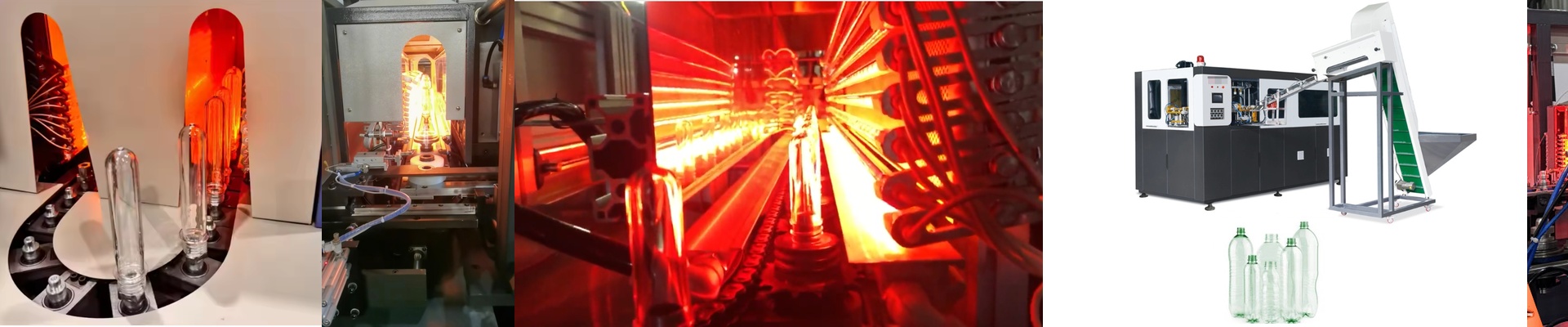
Let’s be honest: traditional convection ovens are slow. You’re basically heating up a giant box of air and just hoping it gets to the right temperature. It takes forever, and you’re burning electricity while you wait for the air to catch up. That’s why we use IR heaters. Instead of waiting on the air, we use direct radiant heat. It’s the difference between waiting for a room to warm up and stepping into the sun. The oven reacts in seconds.
Cutting the Power Bill
If you’ve spent any time on a factory floor, you know the struggle with “overshoot.” Your heater is slow to warm up, so the controller keeps pumping in power. By the time the sensor says “we’re here,” the heater is already too hot. You end up with a temperature spike that wastes energy and messes with your product. IR lamps change that. They hit full power almost instantly. This means we can “flick” the heat on and off in tiny, rapid bursts. It keeps the temperature line flat as a pancake. You aren’t fighting a massive, lagging heating element anymore; you’re just giving the oven exactly what it needs, right when it needs it.
Getting the Heat Density Right
The trick is balancing that radiant heat with the airflow. We build these heaters to pack a lot of punch into a small space. The best part? You don’t have to spend an hour preheating the entire cavity. You’re heating the actual product, not the empty air around it. But you have to keep an eye on your fans. If the air isn’t moving enough, that IR intensity can scorch the surface of your bake before the middle is even warm. It’s a bit of a balancing act—you get way faster cycles, but you’ve got to tune your fan speed to spread that energy around.
Setting It Up on the Floor
Adding these to an existing line is pretty painless. We’ve designed them to be drop-in replacements for those old tubular heaters. One quick tip: check your SSRs (Solid State Relays). Since we’re switching the power on and off so quickly, your relays need to be able to keep up. If they’re too slow, you’ll miss out on those energy savings we talked about. Get the right relays, and the whole thing just works.