
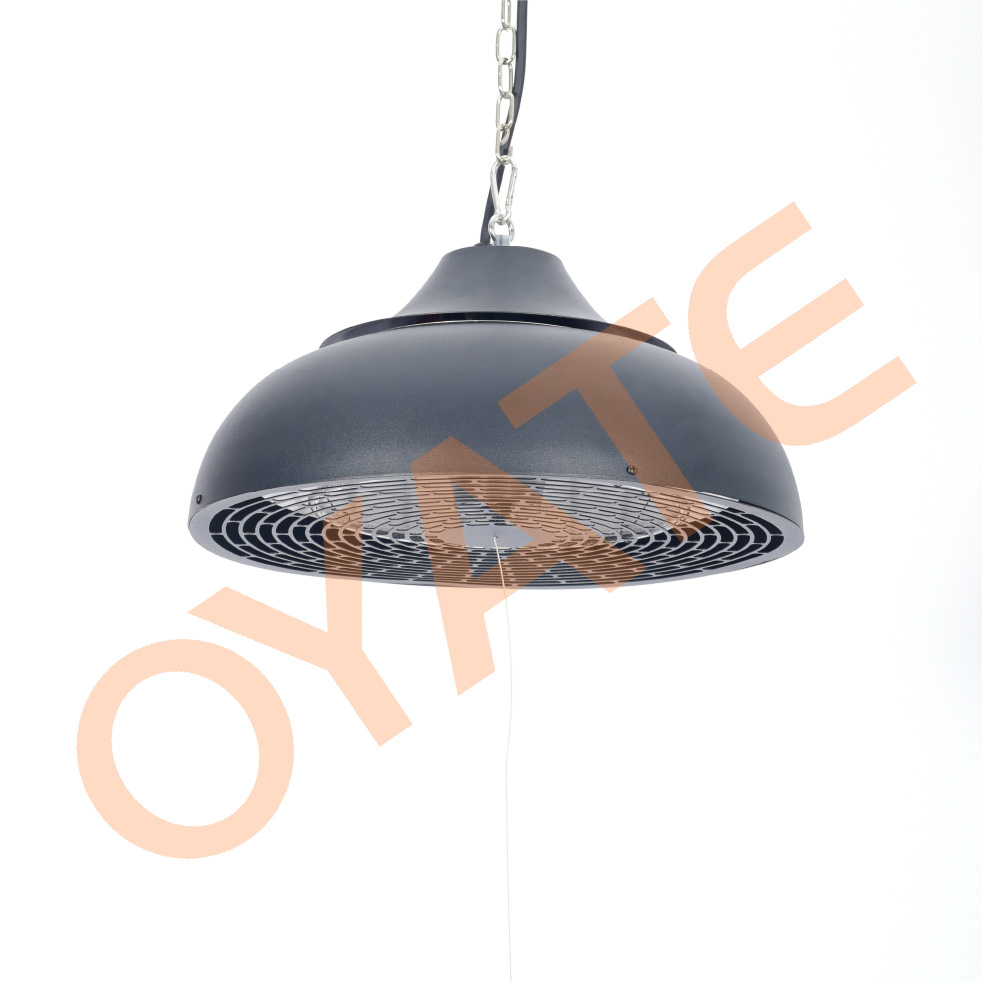
Keeping Things Safe: Infrared Heating in the Bathroom
Putting infrared heaters in a bathroom is basically a battle against steam. You’ve got moisture everywhere, and if that gets into the wrong place, things go south quickly. To keep everyone safe and stop the system from shorting out, we stick to a strict IP44 rating and a “no-compromise” approach to insulation.
What IP44 actually means for you
In plain English, an IP44 rating means the unit can handle splashes of water from any direction and keeps out most solid debris. But here’s the thing: steam is sneaky. It finds the tiniest gaps. That’s why we use gaskets to seal the housing and cable entries tight. If water manages to sneak from the chassis to the heating element, you’ve got a ground fault on your hands. Not good. We stop that from happening by using sealed junction boxes and mounting brackets that don’t conduct electricity.
Making sure the electricity stays where it belongs
We don’t just trust one layer of protection. That’s a recipe for disaster. To keep the outer chassis “dead” (and safe to touch), we use double-insulated cabling and ceramic insulators that can handle the heat. We also pop heat-resistant bushings between the lamps and the metal frame. It basically breaks the path the electricity would take to get to the frame. And please, do yourself a favor: wire the whole thing to a dedicated GFCI or RCD. Even if the heater is built perfectly, a leak in your house’s old wiring could energize the frame. The RCD is your safety net. It’s the thing that saves your life if everything else fails.
The trade-off nobody mentions
There is a catch. When you seal a unit this tightly to hit that IP44 standard, you lose airflow. The inside of the unit getshot. Really hot. If you use standard PVC wire, the heat will make the insulation brittle. Within a year, it’ll crack. To avoid that, you have to use wiring rated for high temperatures—think silicone or glass fiber. It’s a small detail, but it’s the difference between a heater that lasts a decade and one that becomes a fire hazard in twelve months.