
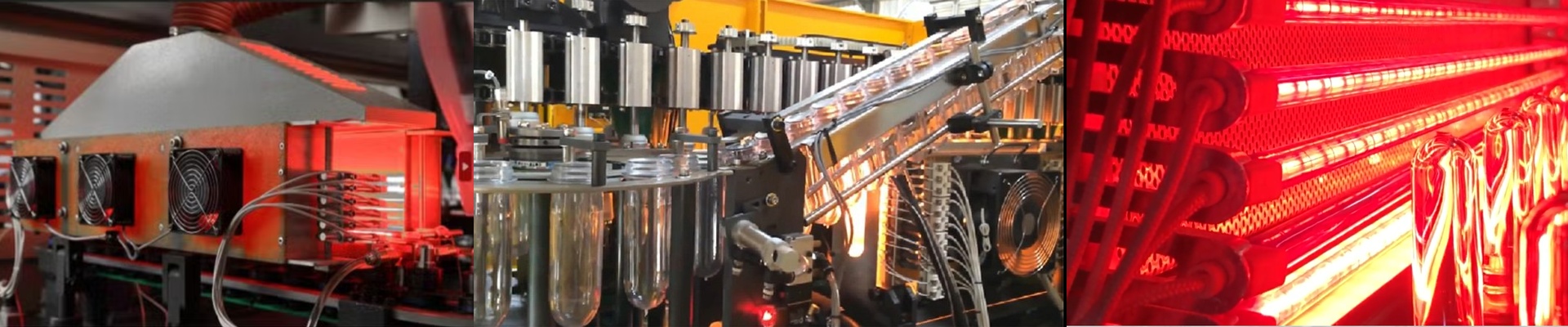




Keeping Your Bathroom Infrared Heaters from Becoming a Hazard
Putting infrared lamps in a bathroom is a bit of a balancing act. You’ve got constant steam and the occasional direct splash of water. In a spot like that, a standard heating element is basically asking for a short circuit or, worse, leaking current right into the frame. To stop that from happening, we focus on two things: how the housing blocks electricity and how tight the seals actually are.
The Deal with Insulation and IP Ratings
You can’t just throw a plastic cover on a heater and call it a day. Moisture finds a way. We use high-grade alumina ceramics or specific quartz glass because they keep the electricity where it belongs, even when they’re soaked. We aim for IPX4 or IPX5 standards. In plain English? The internal wiring and lamp terminals are locked down with heat-resistant silicone gaskets. Here’s the problem: if water sneaks into the terminal block, the resistance drops and you get a ground fault. To kill that risk, we use “potted” connections. We basically encase the wire-to-lamp joint in a waterproof resin. It’s a solid block of protection.
The Battle Against Heat
The real headache is thermal expansion. When those lamps kick in and get hot, the materials grow. If your seals are too stiff, they’ll just crack under the pressure. That’s why we use flexible, high-temp elastomers. They stay snug and tight whether the room is freezing cold or the heater is cranking at 400°C.
The Trade-offs (Because Nothing is Perfect)
There is a catch. When you seal everything that tightly, you trap heat around the wiring and build up internal pressure. Because of this, you can’t use standard PVC wiring—it’ll melt and burn out in a few weeks. You have to go with Teflon (PTFE) or silicone-coated leads. They can take the heat. Also, keep in mind that a fully sealed unit isn’t the easiest to service. You can’t just pop a lamp out in two seconds. You’ll have to pull the whole gasketed assembly apart to swap out a burnt-out tube. One last tip: always wire these into a dedicated GFCI. It’s your safety net. If a seal ever does fail, the power cuts in milliseconds before anyone notices.