Stop Fighting With Your Heating Lamps
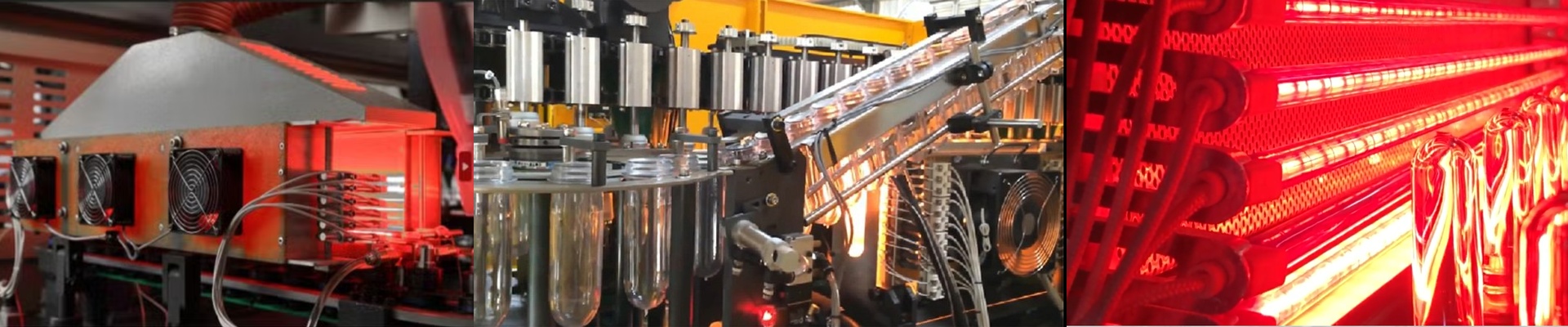
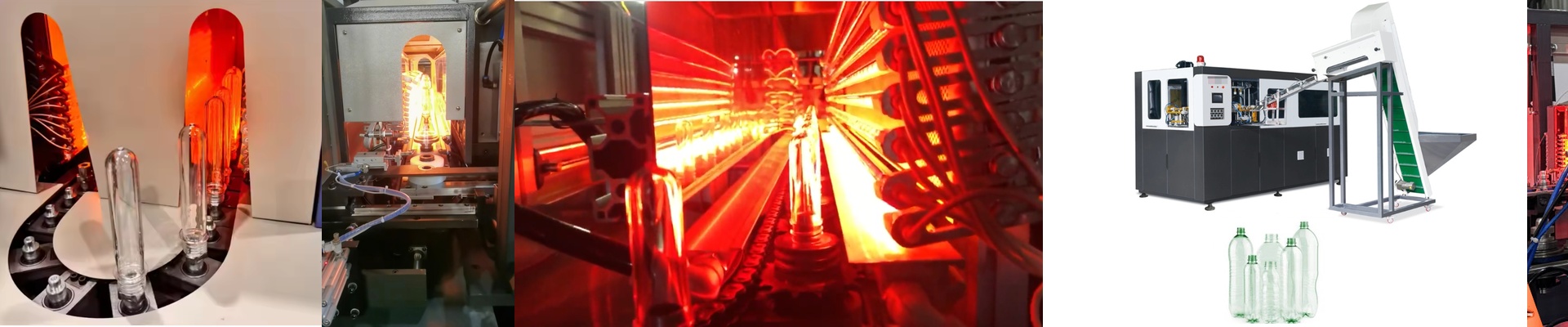
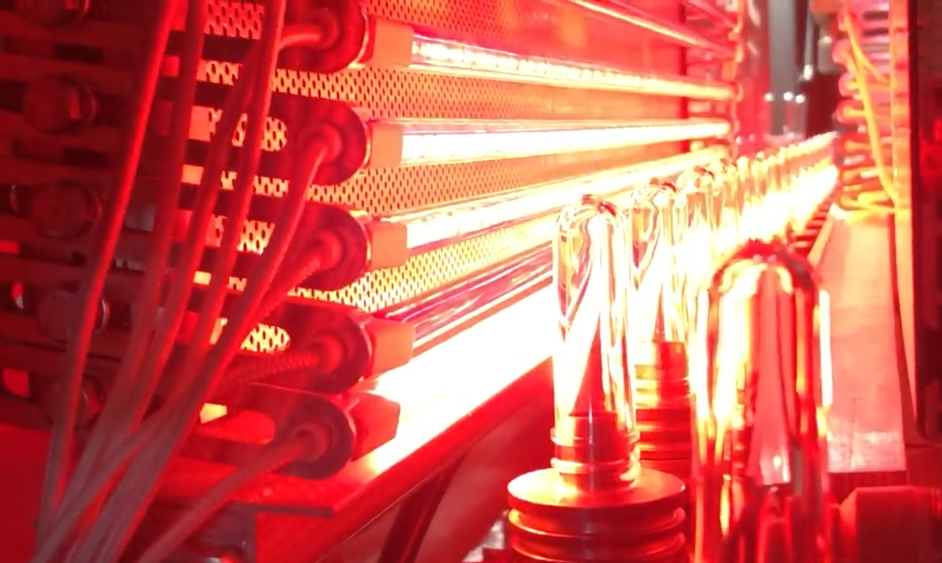
If you’ve spent any time around PET blowing machines, you know the headache. You need new heating lamps, but finding ones that actually fit your current setup without forcing you to rewire the entire electrical panel is a nightmare. That’s why we built our infrared lamps to be simple drop-in replacements. Whether you’re running Sidel or another global system, these just work. We’ve covered about 95% of the configurations out there, so you can stop worrying about whether the part will actually fit when it arrives.
Getting the Heat Right
It all comes down to how much heat you can actually cram into the tube. We usually lean toward a high-voltage setup—around 400V. Why? Because it lets us push more wattage through the tube without blowing a fuse or overloading your circuit. If you’re using a 2500W tube, the heat hits the preform fast and deep. Just a heads-up: that kind of power puts a lot of pressure on your cooling fans. If your airflow is clogged or restricted, those reflectors can get way too hot. Keep an eye on your fans.
The Nitty-Gritty Stuff
We don’t cut corners on the materials. We use heavy-wall quartz glass and fill them with halogen gas. It keeps the filament from burning out the second things get intense. As for the connections, we stick to standard R7s or Sk15. You can just plug them into your existing sockets. No adapters, no “creative” wiring, no stress. Plus, we add a special coating to the glass. Instead of just scorching the surface of the plastic, it shifts the infrared spectrum so the heat actually sinks into the PET wall.
No More “Forcing It”
There is nothing worse than trying to jam a lamp into a station and hearing that dreaded crack because it was two millimeters too long. We manufacture these to incredibly tight tolerances. They slide right into the clips. No forcing, no praying, no broken quartz. Since they match the electrical footprint and size of the OEM Sidel lamps, you don’t have to modify your machine. You just swap out the dead tube, tweak your PID settings, and get your production line moving again.