
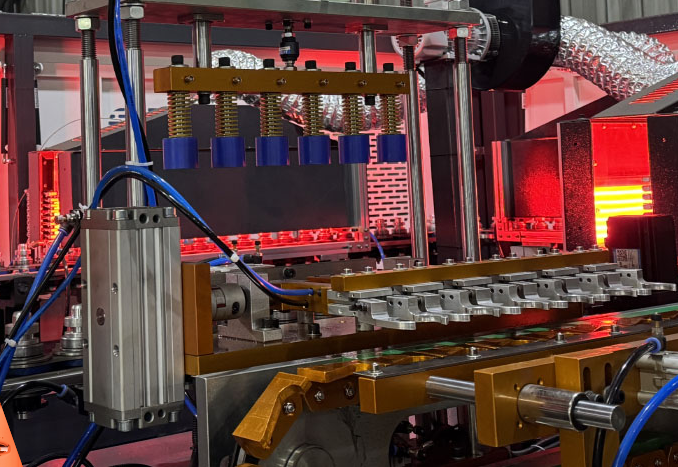
Fixing the “Cold Spot” Headache in KHS Preform Heaters
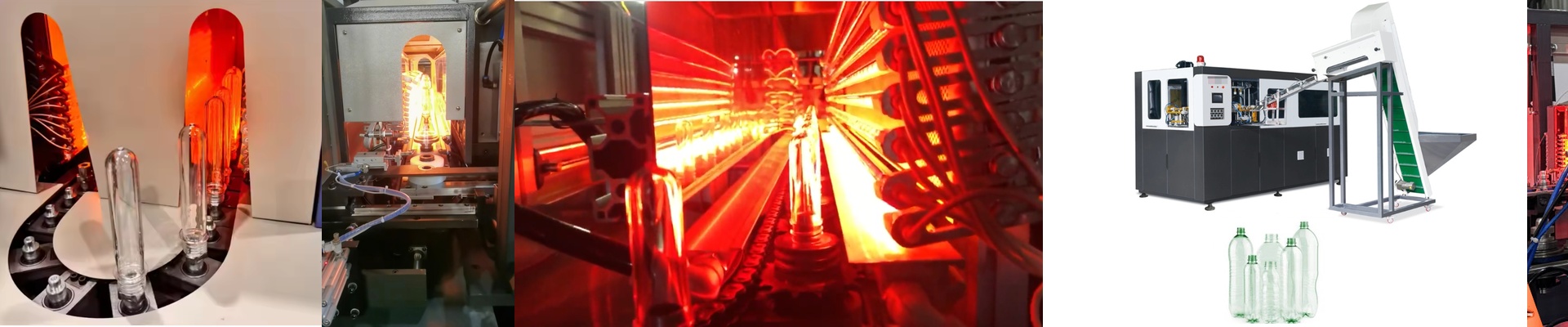
If you’ve spent any time around KHS blow molding machines, you know the frustration of uneven heat. One minute everything is fine, and the next, you’re staring at bottles with wonky wall thickness or that annoying pearlescent haze. It’s a pain. We built our replacement heater modules specifically to kill those cold spots. The secret is in how we tweak the quartz lamps to make sure the heat actually goes where it’s supposed to.
Why your heat is uneven
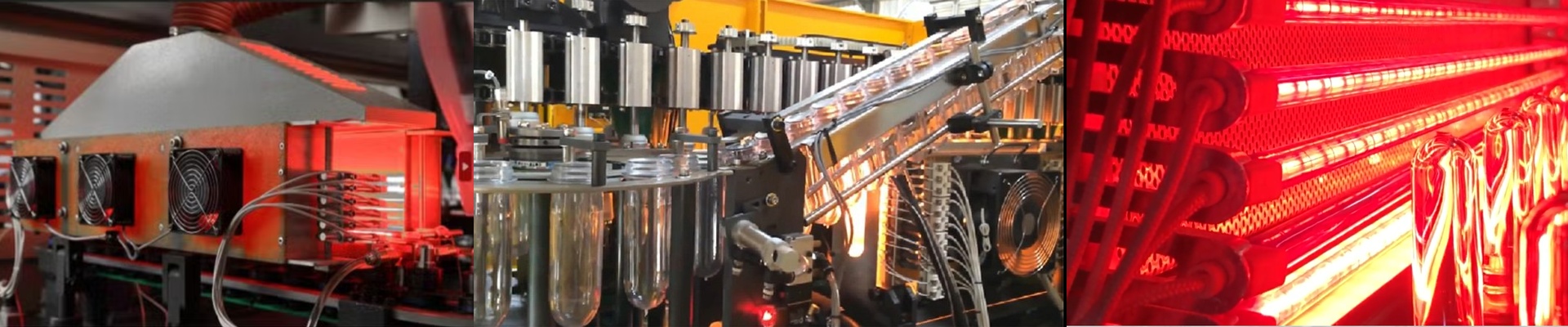
Here is the thing: standard lamps usually have “end-loss.” Basically, the temperature just tanks near the electrodes. To stop that from happening, we messed around with the filament winding density and switched to high-purity quartz glass. The result? The infrared energy hits the preform consistently from the neck all the way down to the base. No more guessing. Now, when you’re picking a module, keep an eye on the wattage-to-length ratio. If you cram more wattage into a shorter tube, you’re pushing energy into the plastic a lot faster. That means your cycle times drop, which is great. But there’s a catch. Higher heat density puts a lot more pressure on your cooling fans. If your airflow isn’t dialed in, you might end up overheating the oven frame. It’s a balancing act.
The nitty-gritty stuff
We use R7s and Sk15 connectors because they just work. They’re a drop-in fit and can handle high current loads without pitting or arcing—which is exactly what you want when you’re trying to avoid downtime. We also fill the lamps with halogen. It stops the tungsten filament from evaporating too fast, so your light output stays steady for thousands of hours. You set it, and it stays set.
Getting it on the floor
The best part? You don’t have to spend your entire weekend recalibrating the machine. You just wire these into your existing controllers, and the thermal profile stabilizes pretty quickly. We’re proud of the precision here. We’ve matched the tight tolerances of those European machines but cut out the nightmare lead times you usually get for replacements. One quick tip: keep a close eye on your voltage stability. If your power grid is jumping around, it can burn out those high-wattage filaments way sooner than they should. Keep the power steady, and these things will treat you right.