Why Fast Heat Actually Saves You Money on Your Power Bill
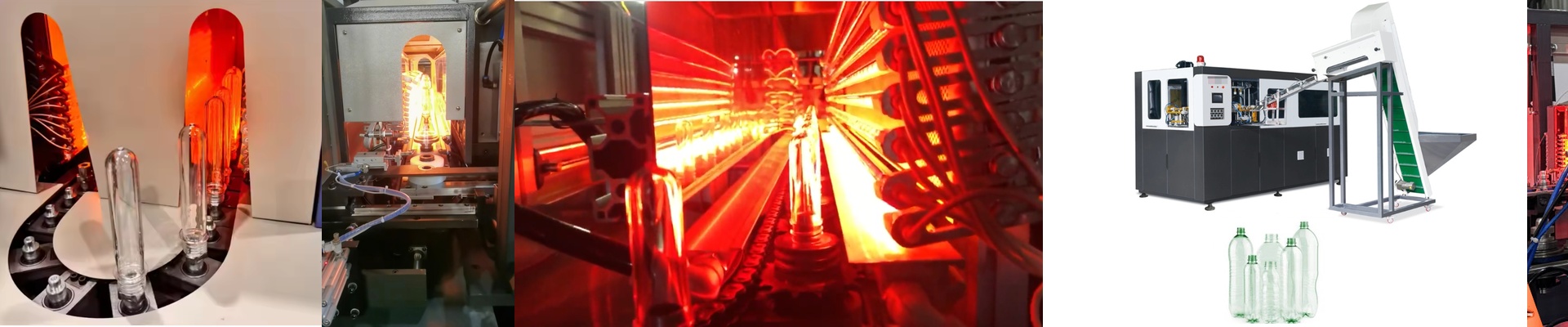
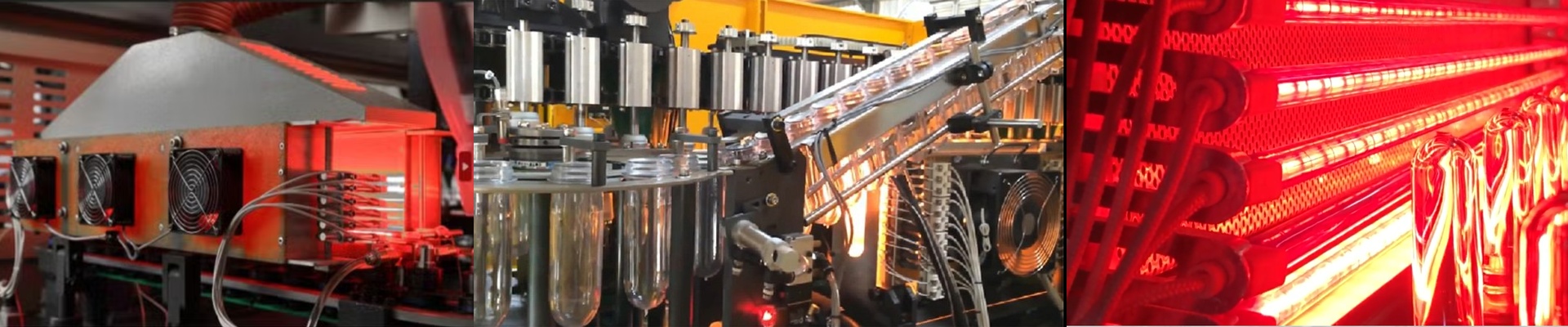
Most people think that if an oven heats up fast, it must be hogging electricity. It feels like common sense, right? But when you’re dealing with stainless steel pizza ovens and short-wave infrared bulbs, that logic flips on its head. We build these lamps to react in seconds. Why? Because we want to kill “thermal inertia”—that annoying lag that wastes a ton of energy.
Stop Fighting the Temperature Swing
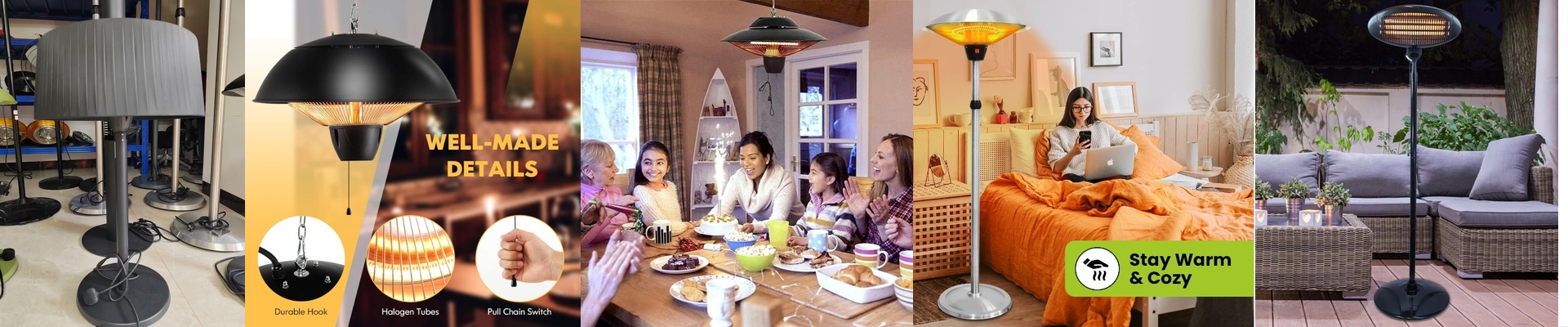
Think about a standard heating element. It takes forever to get hot, and once the thermostat tells it to stop, it just keeps humming along, bleeding heat into the oven. You end up with “overshoot,” where the oven gets way hotter than you actually wanted. It’s sloppy, and it’s expensive. Our quartz halogen bulbs are different. They hit full power almost the instant you flip the switch, and the second the power cuts, the heat stops. This lets you get really precise. Instead of long, clunky on-off cycles, the system just pulses. It’s like a heartbeat. The sensor feels a tiny dip in temp, the bulb kicks in for a split second, and you’re back on track. You aren’t wasting kilowatts heating air you don’t need.
The Nitty-Gritty Stuff
To make this work without the equipment melting, we use high-purity quartz and stainless steel. The magic here is that the radiation hits the dough directly. It doesn’t bother heating up the air first; it just goes straight for the pizza. One heads-up: you’ve got to make sure your wiring can handle the spikes. Even though your total power bill goes down, the burst of current is intense. If your relays aren’t built for high-frequency switching, they’re going to fry.
Getting it Set Up Right
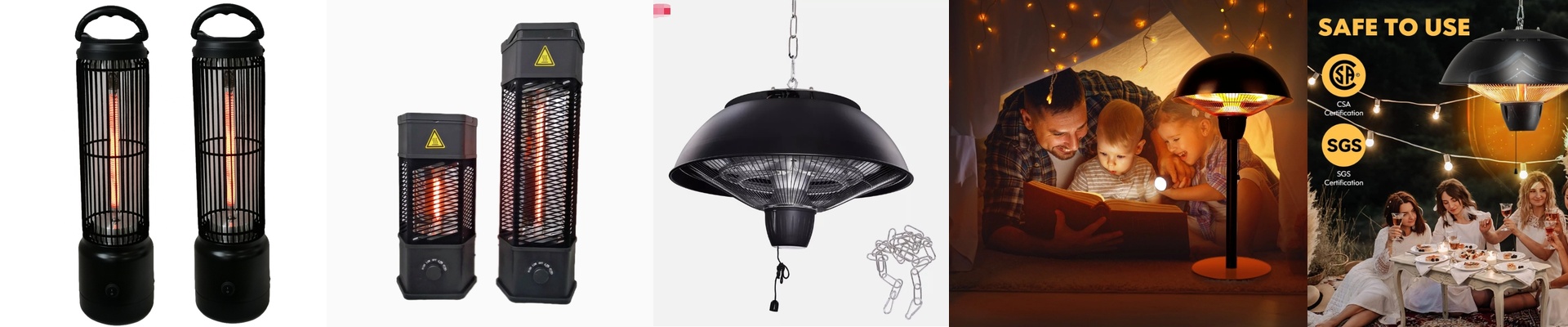
These bulbs are pretty easy to swap into most industrial setups. But here is a pro tip: check your reflectors. If your stainless steel housing is warped, you’re throwing away about 20% of your heat because it’s hitting the walls instead of the pizza. Keep those reflectors polished. And for heaven’s sake, keep the quartz tubes clean. A bit of grease or dust creates hot spots, and that’s the fastest way to kill a lamp.