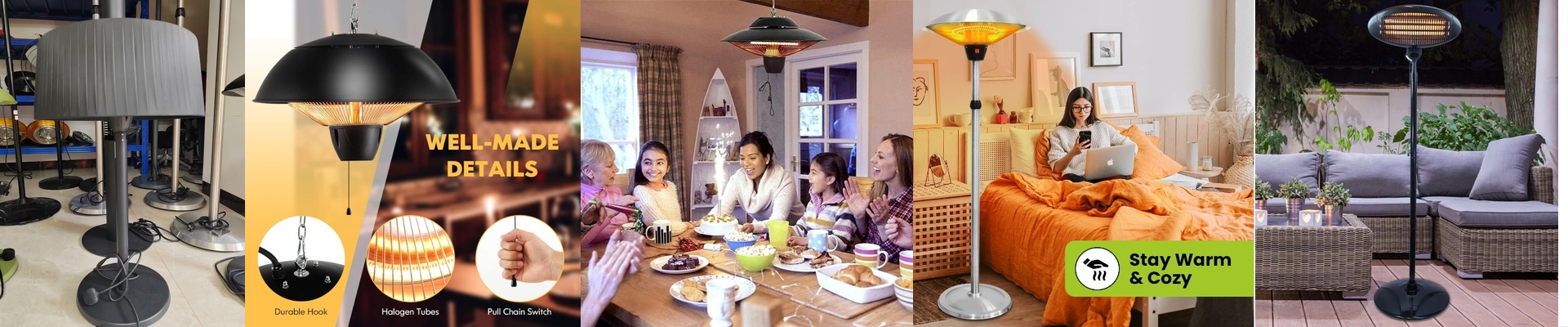
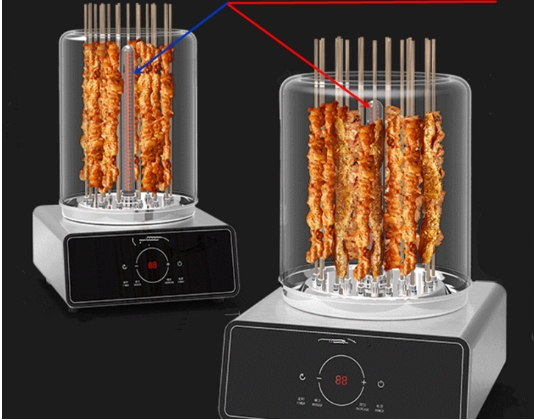
Getting That Perfect Crust: Why Your Oven Needs Infrared
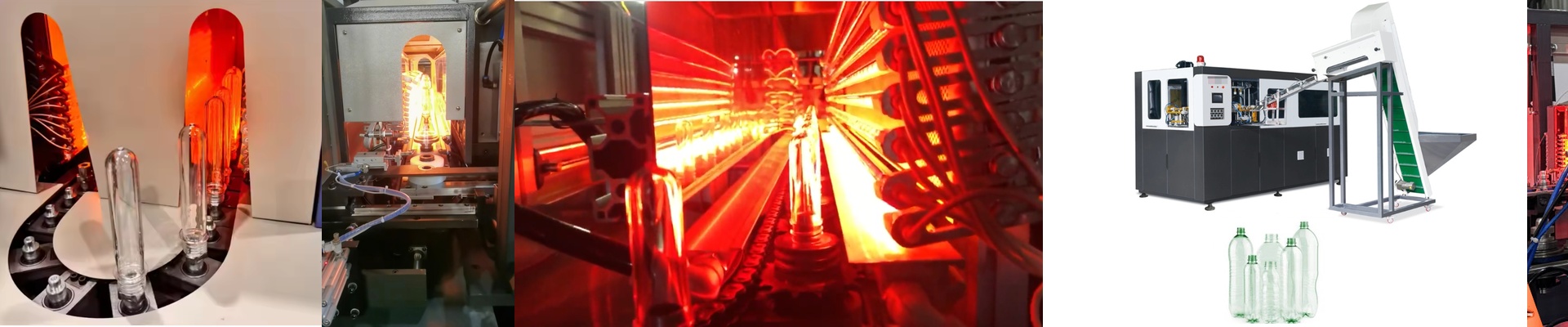
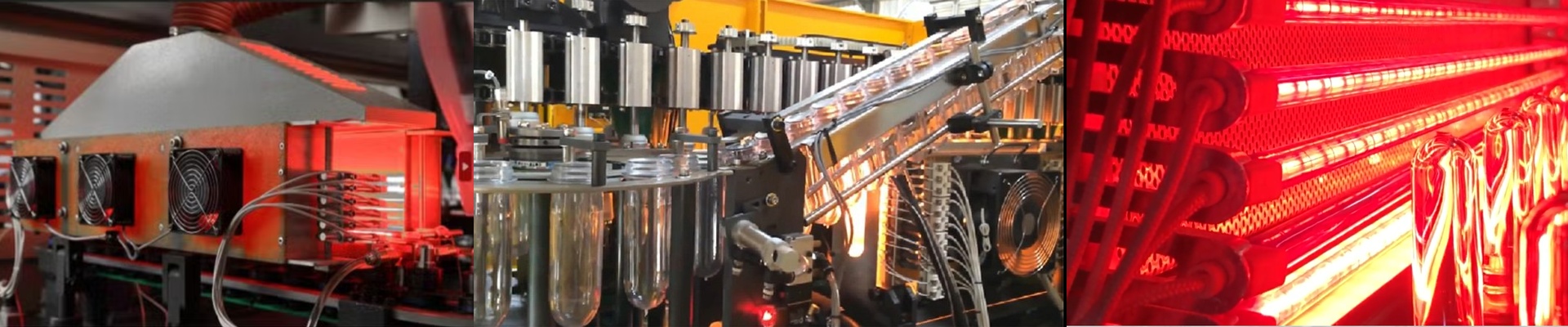
Ever wonder why some bakery crusts have that professional, golden-brown snap while others just feel… dry? It usually comes down to a battle between air and light. Most ovens rely on fans to push hot air around. That works, but it’s slow. There’s a lag. By the time the air gets the crust where you want it, you’ve often overcooked the inside of the loaf. That’s where infrared (IR) bulbs come in. Instead of waiting for the air to warm up, IR lamps shoot radiant energy straight onto the dough. It hits the surface instantly. You get that beautiful, deep color and a great rise without turning the middle of your bread into a crouton. The nitty-gritty on the hardware If you’re looking at replacement bulbs, you’ll see a lot of talk about quartz glass and tungsten filaments. Basically, these things are built to handle extreme heat. We usually stick with R7s or SK15 connectors. Why? Because when you’re in the middle of a rush and a bulb pops, you want something you can just drop in and forget about. No one has time for a complicated repair during a morning shift. One quick tip:**Check your voltage and wattage.**You have to match what your oven’s transformer expects. If you go too low, your bread stays pale. Go too high, and you’ll pop the filament in no time. The catch (because there’s always one) These lamps pack a massive punch in a tiny package, but that intensity takes a toll. The quartz glass is tough, but it’s not invincible. If your oven’s ventilation is acting up and heat is just pooling around the bulb, it’s going to die faster. And here is the biggest killer: grease and flour. If your lenses get cloudy or coated in gunk, the heat can’t get out. The bulb struggles, the energy wastes away, and eventually, the filament just snaps. Keep them clean. It takes two seconds, and it saves you from buying new bulbs every other month.