Stop Waiting for Your Oven to Warm Up
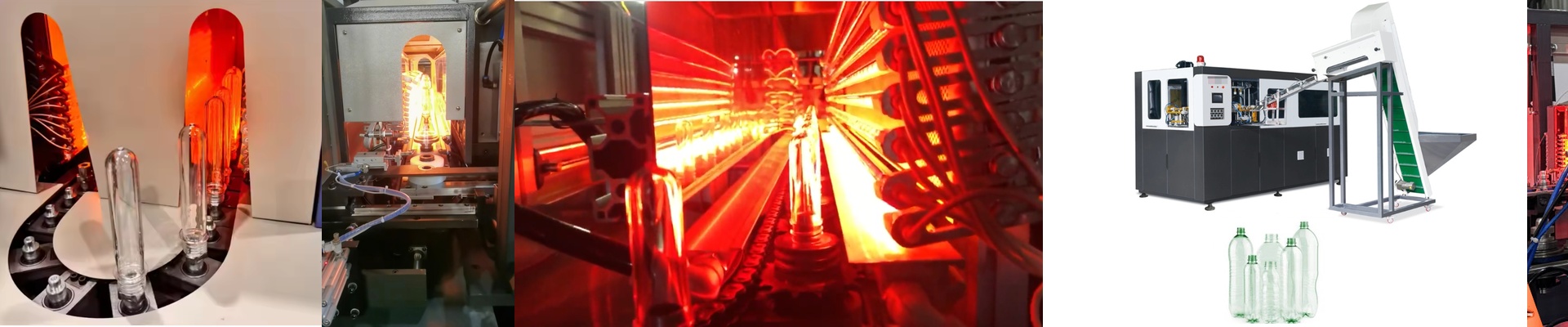
Let’s be honest: waiting for a standard convection oven to hit temperature is a pain. It’s a massive bottleneck that slows down your entire morning. You’re standing there, ready to go, but the oven is just… lagging. We found a way to fix that by adding stainless steel infrared heating tubes into the mix. Here is the difference. Convection relies on pushing hot air around, which takes forever. Infrared is different. It sends energy straight to the product using radiation. It’s fast. Really fast. And that changes everything for your workflow.
The Tech Side (Simplified)
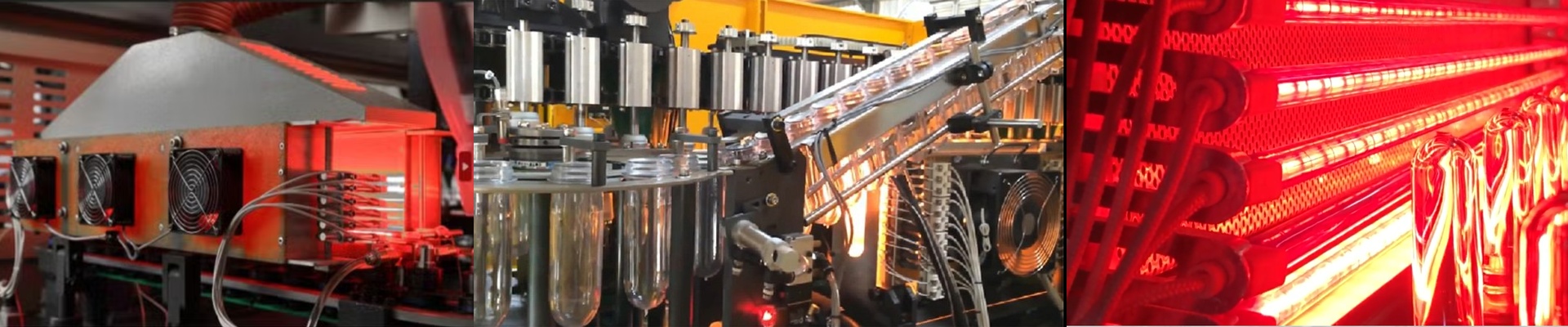
To get those preheating times down, we use tubes with high power density. We specifically use short-wave emitters because the heat hits the dough almost instantly. We pump these elements with high wattage so you aren’t wasting half your shift waiting for the “ready” light. Just a heads-up: make sure your factory grid is set to 220V or 380V. If the voltage drops, your heat output craters, and you’re right back where you started.
Built for the Mess
Bakeries are tough on equipment. You’ve got flour dust everywhere and grease that finds its way into every crevice. Standard heating elements usually burn out pretty quickly in those conditions. That’s why we wrap everything in stainless steel. The cladding acts like a shield, protecting the quartz or halogen core inside while it does the heavy lifting. Plus, getting them in isn’t a headache. We use standard industrial connectors, so these are basically drop-in replacements. You won’t have to rip apart your control panel or spend a weekend rewiring the whole shop.
A Couple of Things to Watch Out For
Adding this kind of power definitely speeds things up, but you have to be smart about it. Because the heat is so intense and localized, you can actually scorch the surface of your bread if the tubes are too close to the trays. You’ll need to play around with the distance to find that sweet spot where you get a fast start but a perfectly consistent crust. Also, keep an eye on your PID controllers. You want them tuned to kill the infrared boost the second you hit your target temperature. If you don’t, you’ll end up overheating the whole chamber.