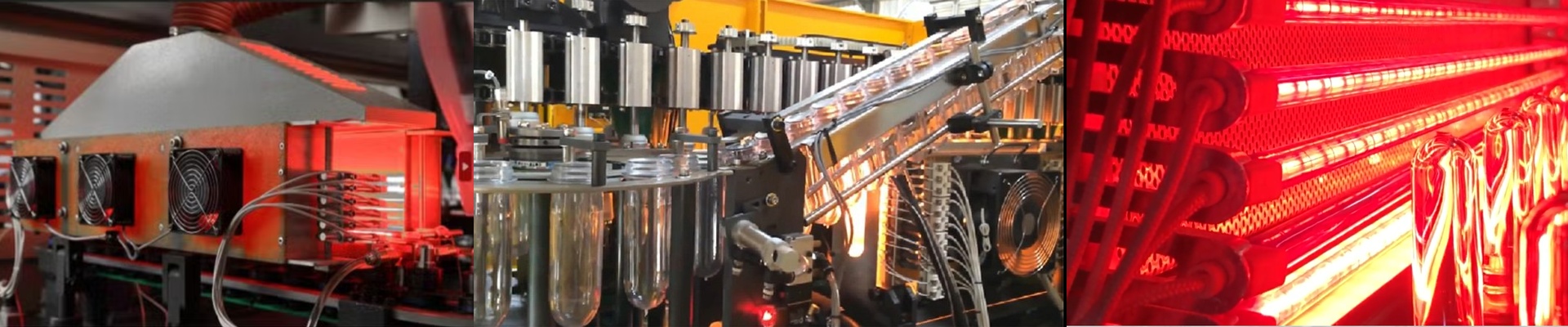
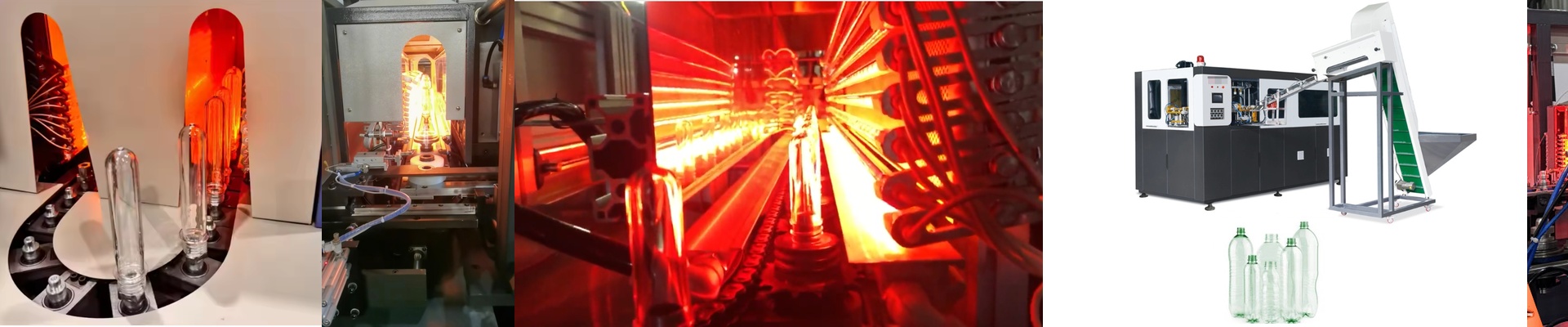
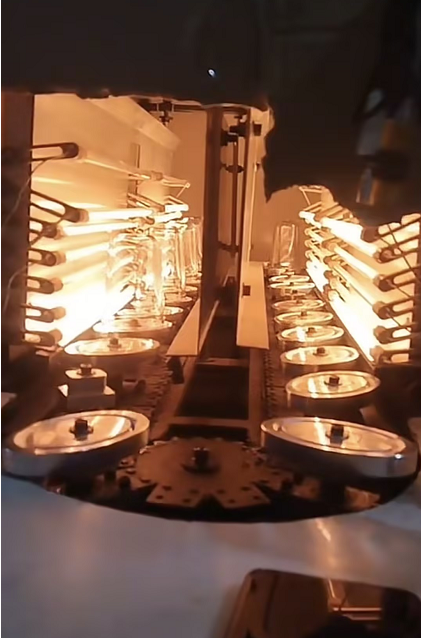
Stop Guessing With Your Sidel Matrix Heating
Here is the problem when you swap out OEM lamps in a Sidel Matrix: the heating curve loves to shift. If the wattage is off or the spectral output drifts even a little, you end up with uneven heating. That’s how you get bottles with weird wall thickness or, even worse, bottles that just burst. It’s a headache nobody needs. That’s why we build our replacement lamps to mirror the original Sidel specs exactly. No guessing. No “close enough.”
Why “Close Enough” Doesn’t Cut It
Matching the length and voltage is a start, but it isn’t everything. We dig deeper into the filament density and the grade of quartz to make sure the heat flux hits the exact same footprint as the original. Think about it this way: if a lamp has the right wattage but the wrong voltage, your oven’s thermal profile changes. You’d have to spend hours messing with your PID controllers to get things back in line. With our lamps, you just plug them in. The temperature ramp stays exactly where it should be. It just works.
The Nitty Gritty on Quartz
We use high-purity quartz because these things take a beating with rapid thermal cycling. We also tune the infrared emission to hit the absorption band of PET. In plain English? The energy actually goes into the plastic instead of just heating up the oven walls. Depending on your Matrix setup, we use standard R7s or Sk15 connectors. They are true drop-in replacements. You won’t be spending your afternoon rewiring anything.
A Few Tips From the Field
Here is something the manuals don’t always emphasize: your lamps are only as good as your reflectors. If your reflectors are pitted or oxidized, even a perfect lamp is going to struggle. While you’re swapping the lamps, take a second to check those surfaces. And one last thing. Running these at max power creates a lot of ambient heat. Keep your cooling blowers clear of dust and debris. If the oven can’t breathe, your filaments will burn out way faster than they should.