

Getting That Perfect Crust: A Quick Guide to Quartz and Ceramic Heaters
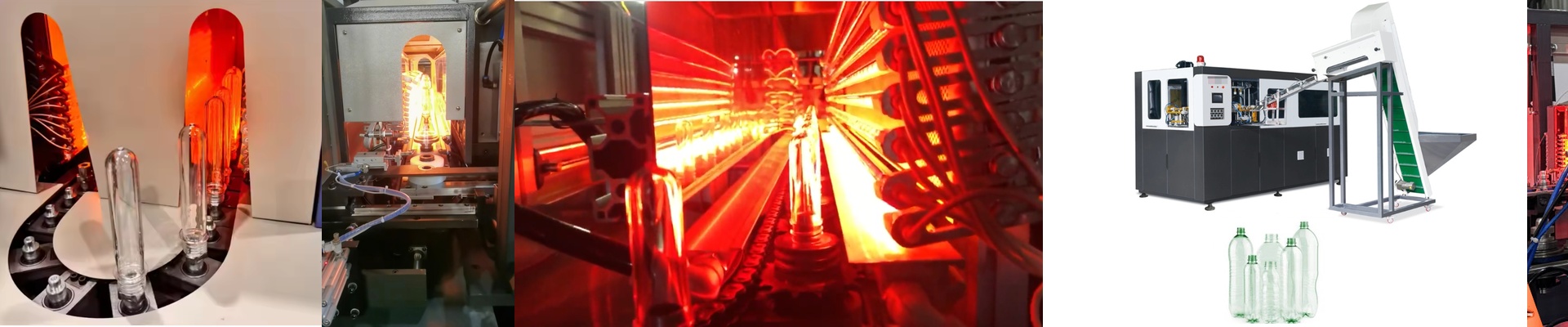
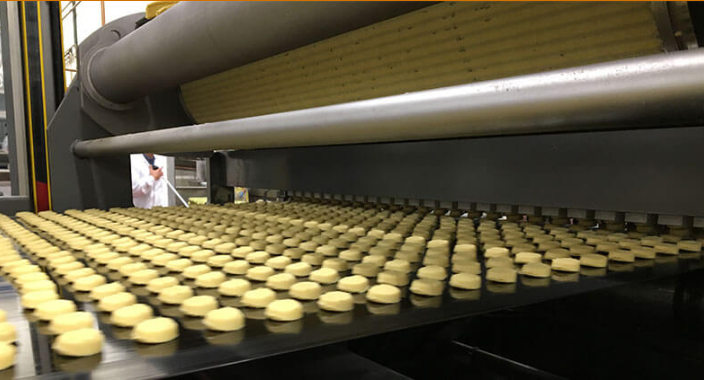
If you’ve ever wondered why some bread has that gorgeous, deep golden crust while others look pale and sad, it isn’t actually about how hot the air is in the oven. It’s all about radiant heat. That’s why we lean on quartz and ceramic infrared heaters. They hit the dough with the exact kind of energy needed to trigger that Maillard reaction—the magic that creates the flavor and color we love—without sucking all the moisture out of the center of the loaf.
Speed is Everything
Standard heating elements are slow. They take forever to warm up, and in a busy bakery, waiting around is just wasted money. Quartz lamps are different. They’re incredibly fast. We’re talking seconds. The moment the controller kicks in, the filament hits its peak. This is a lifesaver when you just need to flash-brown the top of a loaf in the final few seconds of the bake. It’s fast. Really fast. And that changes everything for your workflow.
Choosing Your Material
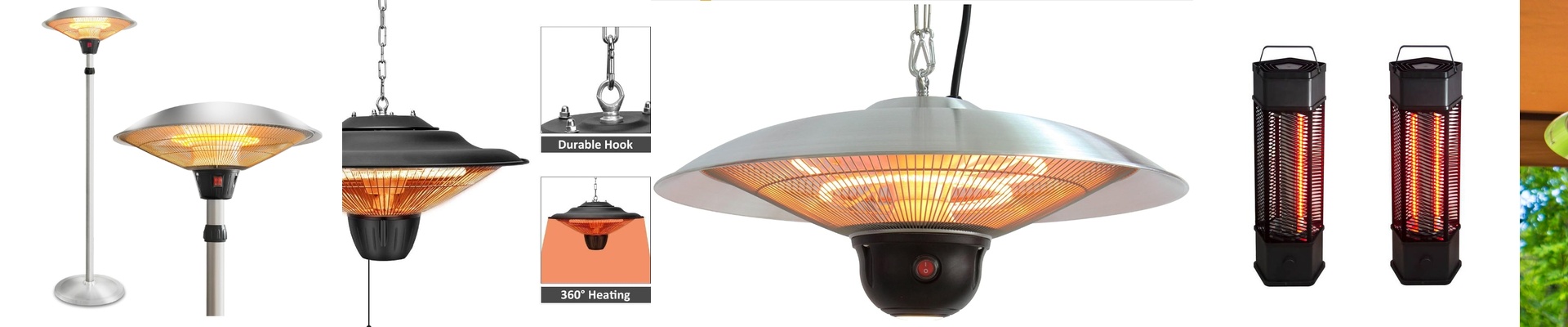
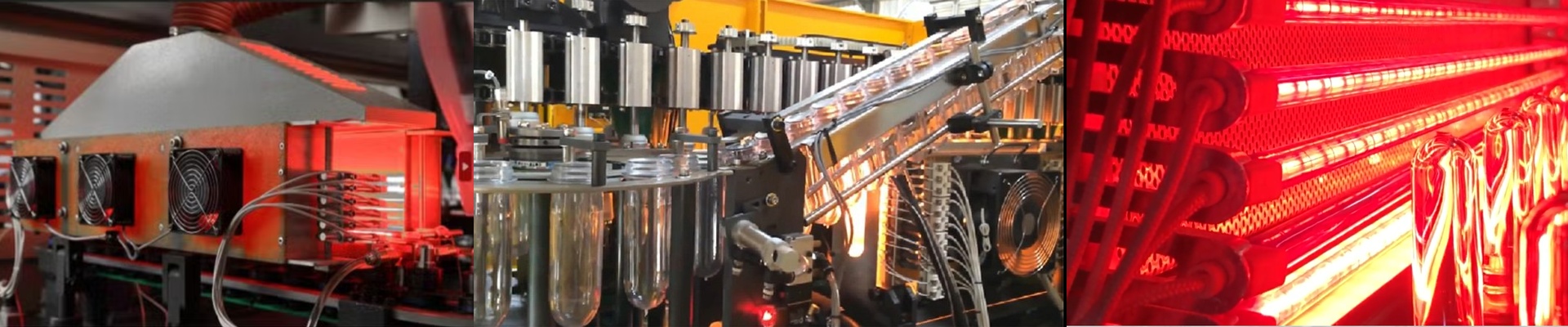
Quartz tubes are great because they pack a lot of power into a tiny space. Since we use high-purity quartz, the infrared heat gets through without any roadblocks. Then you have ceramic heaters. These are a different beast. They give off a steadier, more spread-out heat, which is exactly what you want for the bottom of the oven. But you have to be careful with your power settings. If you crank the wattage on a quartz tube too high to get more heat, you’re putting a lot of stress on the filaments. Throw in some poor ventilation, and you’re looking at a burnt-out lamp way sooner than you’d like.
The Tricky Part: Setup
Getting these wired into a commercial line is a bit of a balancing act. If the lamp is too close to the bread? You’ll get burnt edges and ugly hot spots. Too far away? You lose that instant energy, and your bread stays pale. You have to find that “sweet spot.” One last thing: quartz is fragile. It can handle insane heat, but it can’t handle a bump or a shake. You’ve got to make sure the housing is solid. If there’s too much vibration or if someone bangs into it during cleaning, those tubes will crack. And that’s a headache nobody wants.