Stop Fighting Your Oven: Getting the Heat Right
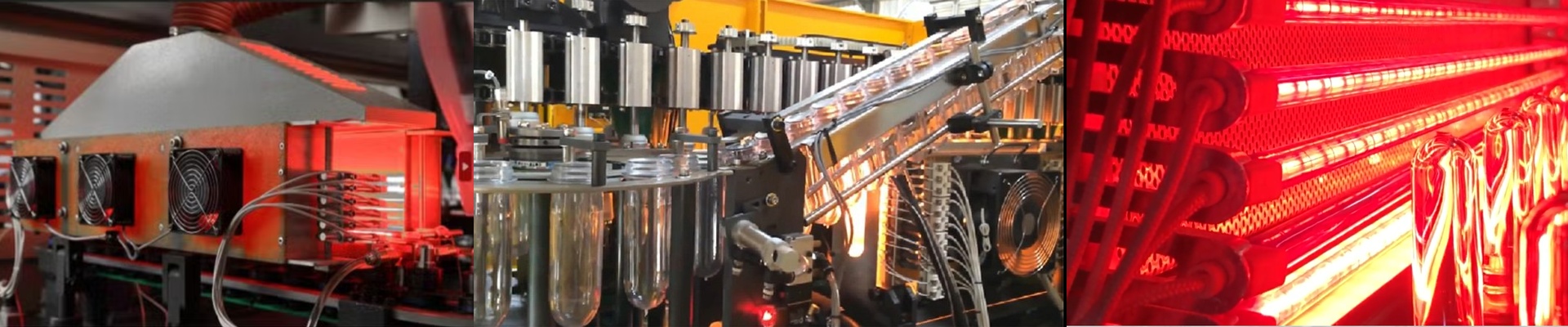
There’s nothing more frustrating than pulling a tray of bread out of the oven only to find the edges are charred black while the center is still basically dough. It’s a nightmare. You’re throwing away product, wasting money, and probably pulling your hair out. Usually, this happens because the heat isn’t moving where it needs to go. That’s where our single-tube infrared heaters come in. Instead of wasting time trying to heat up the air and hoping it swirls around the bread, these tubes shoot radiant energy straight into the loaf. It’s direct. It’s fast.
Getting the Balance Right
We don’t just throw a heating element in a tube and call it a day. We obsess over the wattage-per-centimeter. By carefully managing how the filament is packed inside the quartz, we make sure the heat is steady from one end of the tube to the other. No “cold spots.” No guessing games. You just get a consistent, reliable heat footprint across your entire baking tray.
The Nitty-Gritty on Hardware
We use high-purity quartz glass for the envelope because it can handle the shock. You know how some materials crack when they go from freezing to scorching in seconds? Quartz doesn’t do that. And since we use standardized bases, you don’t have to rebuild your whole setup. You just pop them into your existing rig and get back to work. One quick heads-up: if you’re pushing these at high wattages, keep an eye on your end-caps. They take a lot of heat. Make sure your wiring is rated for the peak current, or you’re going to end up with melted terminals. Trust me, you don’t want that.
Real-World Use
The best part about these tubes is the control. You can set up different power levels for the top and bottom heaters. Want a thick, crunchy crust but a soft, airy center? You can actually dial that in. Now, there is a catch. Quartz is tough against heat, but it’s fragile against… well, everything else. If you hit it with a tool or let it rattle around, it’ll break. To keep them safe, we suggest tucking them into recessed channels. It protects them from vibrations and those accidental bumps that happen during a deep clean. Also, give them some breathing room. If the tubes are too close together, the heat zones overlap and you’ll end up with hot spots on your bread—which is exactly what we’re trying to avoid.