Fixing Those Annoying Cold Edges in Big Bread Ovens
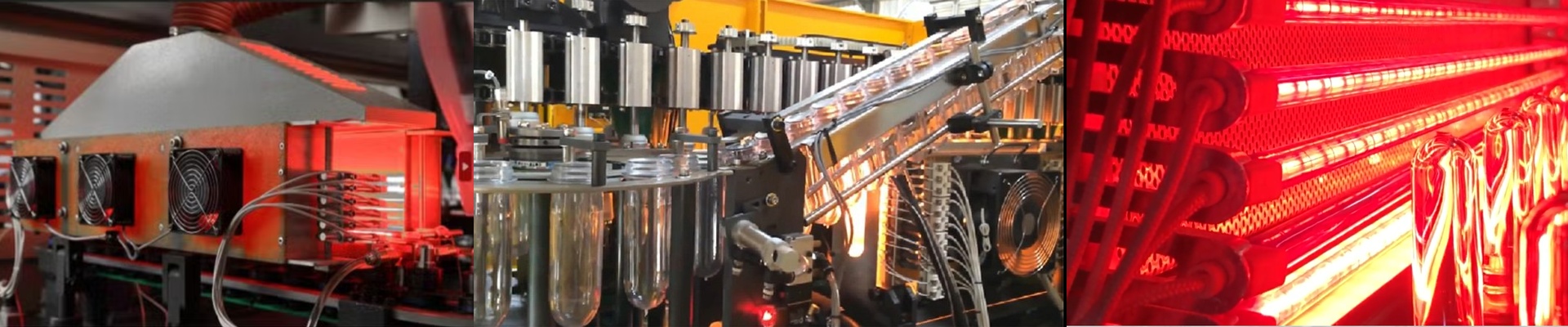
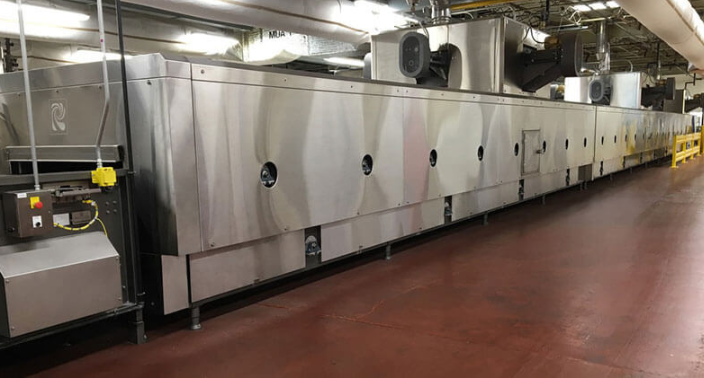
If you’ve spent any time with large industrial ovens, you know the struggle. You pull out a tray and the center looks perfect, but the edges? They’re pale. Under-baked. It’s a classic “cold edge” problem. Most convection ovens just push air around, and for some reason, that heat loves to hang out in the middle and ignore the perimeter. We found a way to fix this using quartz infrared tubes tucked right into the stainless steel frame. How it actually works Think of it this way: convection is like waiting for a breeze to warm you up. It’s slow and patchy. But infrared radiation is different. It doesn’t care about the air; it just hits the dough directly. By lining the edges of the oven with these quartz tubes, we’re basically filling in the gaps where the heat usually drops off. The result is a crust that looks the same whether the loaf is dead center or hugging the wall. No more guessing games. The gear we use We stick with high-purity quartz glass for the elements. Why? Because it can take a massive hit of heat without cracking and lets the IR energy fly right through. We house everything in stainless steel because, let’s be honest, bread production is a damp, steamy mess. Stainless keeps things from rusting out. Installation is pretty simple. These are designed to just slide in where your old heating coils used to be. One heads-up, though: quartz hits hard. It’s intense heat. Just make sure your ventilation is up to the task, or you might find yourself scorching the tops of your loaves. A quick word on power Here’s the catch. More wattage means better edge heating, but it also means your power supply has to work harder. If you’re retrofitting an old oven, please double-check your breakers. These quartz arrays pull a lot of current. If your wiring is too thin, you’ll be tripping the system the second you try to ramp up the heat. It’s all about finding that sweet spot between the length of the tubes and what your electrical panel can actually handle.