Sidel SBO 24 Infrared Radiator: Finally, Heat That Actually Makes Sense for Your KHS Blower
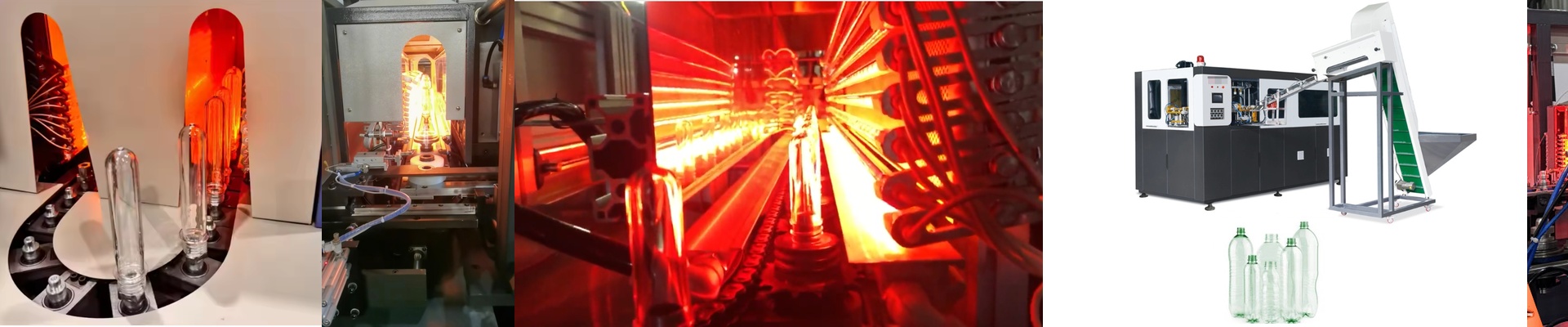
You know that one headache on the blow-molding line? The one where your PET preforms just won’t heat evenly, and you’re constantly chasing hot and cold spots? We built the Sidel SBO 24 infrared radiator to kill that problem once and for all. If your KHS blower is struggling with uneven heating, it’s usually the lamp’s thermal profile that’s the culprit—not the machine settings.
The power behind the heat
Here’s the thing about the SBO 24: it runs at 2500W on a 400V supply. That high-voltage setup isn’t just a random spec. It keeps the current lower than a 230V option would, which means you can use smaller wiring and avoid voltage drop over the line. And the 300mm length? Totally intentional. It’s long enough to hit every critical heating zone on the SBO 24 neck ring and body, but short enough to sit snug inside the reflector without blasting extra heat onto nearby parts.
Built to last, built to work
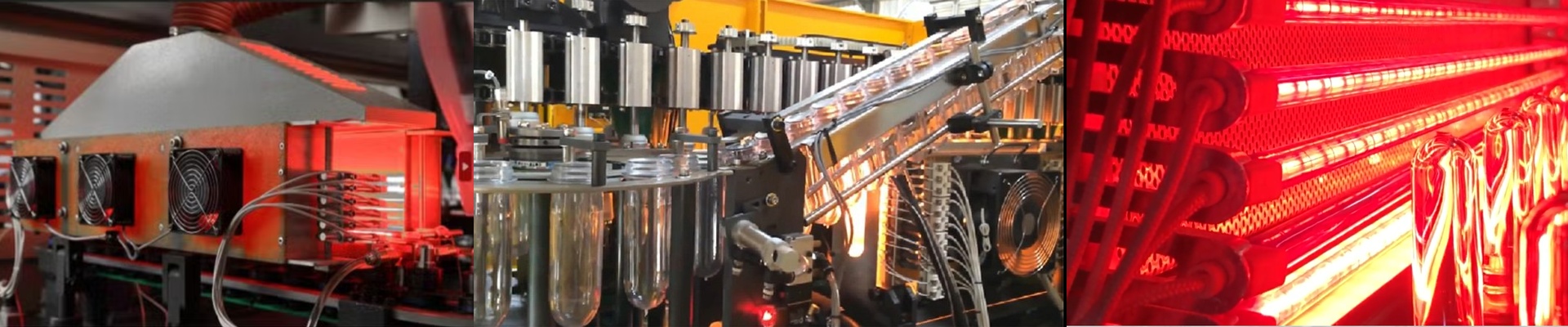
Inside, you’ve got a shortwave infrared halogen element housed in a high-purity quartz tube. The halogen cycle keeps the filament stable, so the heat stays consistent over time—no surprises, no dips. The tube itself has a reflective coating that pushes the energy forward, so more of the wattage actually lands on the preform instead of bleeding off the back. And the R7s connector? That’s the kind of detail that makes life easier. It slides in with a simple push, handles the thermal expansion of the quartz, and when the lamp finally burns out, you can swap it in seconds—no tools needed.
Smooth install, smoother runs
On KHS blow-molding lines, this lamp drops right in as a direct replacement. No rewiring. No messing with the machine. What you get is a tighter, more even thermal field across the preform. That means fewer rejects from uneven stretch and thin walls. Now, there is one thing to keep in mind. The 2500W density means your blower’s cooling and ventilation need to be up to the task. If they’re not, the control cabinet and reflector area will run hot. But run the right lamp with the right cooling, and your heating stays stable shift after shift. No more guessing. Just consistent, reliable heat.