Why Your Oven’s Temperature is Always “Off” (And How to Fix It)
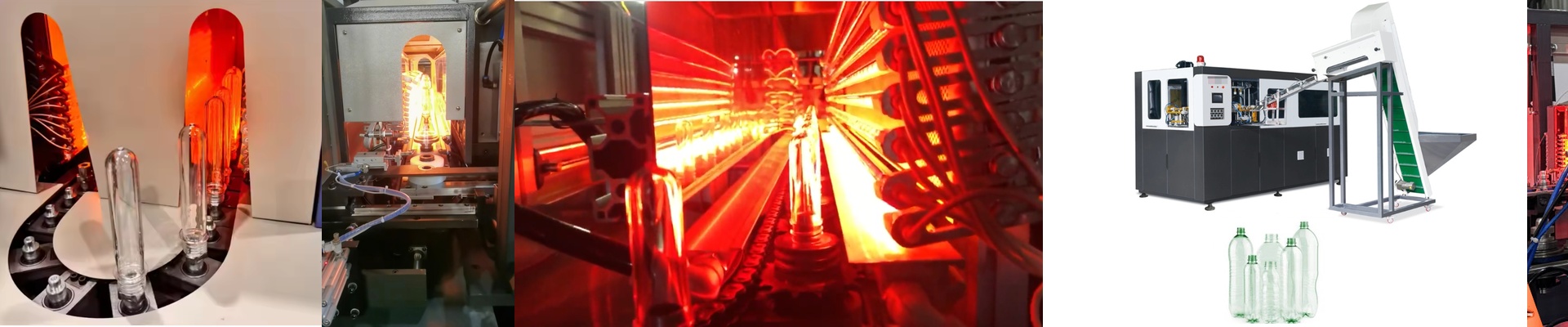
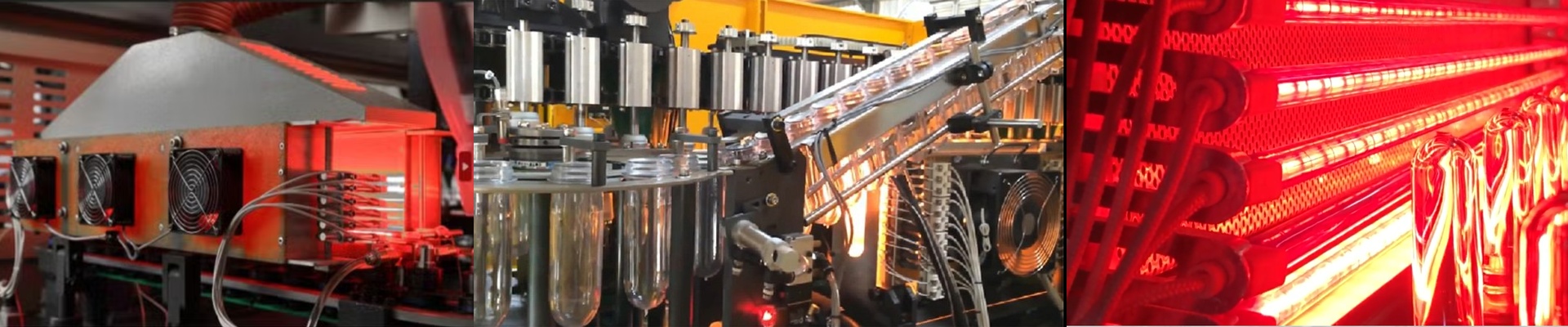
Ever notice how most convection ovens just… keep heating? Even after the power cuts, those big, heavy heating elements stay scorching hot. It’s like trying to stop a freight train; it doesn’t just stop on a dime. You end up with temperature overshoot, wasted electricity, and a lot of frustration. We decided to ditch that lag by swapping those heavy elements for fast-response IR emitters. Killing the lag Standard heaters are slow. They take forever to warm up and even longer to cool down. But short-wave quartz lamps? They hit the target in seconds. It changes the whole vibe of the machine. Instead of the heater “coasting” and leaking heat through the walls, it only kicks in the exact moment the sensor feels a dip. You stop paying for heat you aren’t actually using. The nuts and bolts To get this kind of speed, we use low-mass tungsten filaments wrapped in quartz. It lets the radiant heat jump almost instantly. If you pair these with a PID controller that switches quickly, the response is snappy. Now, there is a catch. Quartz is fragile. You can’t just toss things around or let it get filthy. If you’re working with oily or dusty materials, grab a protective quartz sleeve. Otherwise, you’re just asking for the emitter to burn out early. Making it work in your setup When you mix IR emitters with a convection fan, you get the best of both worlds. The IR handles the quick tweaks, and the fan pushes that heat around. The best part? You don’t need those massive, oversized heating banks anymore. Your equipment gets a smaller footprint, and your temperature window stays tight. If you’re swapping these into an old line, just keep an eye on your power supply. These lamps can be picky about voltage stability—if it’s not steady, you’ll see flickering, and the lamps won’t last as long. Also, make sure your Solid State Relay (SSR) can keep up with the emitter’s speed. If they aren’t in sync, the system will just “hunt” for the right temperature and never actually settle.