Why Your Bathroom Mirror Heater Needs Explosion-Proof Quartz
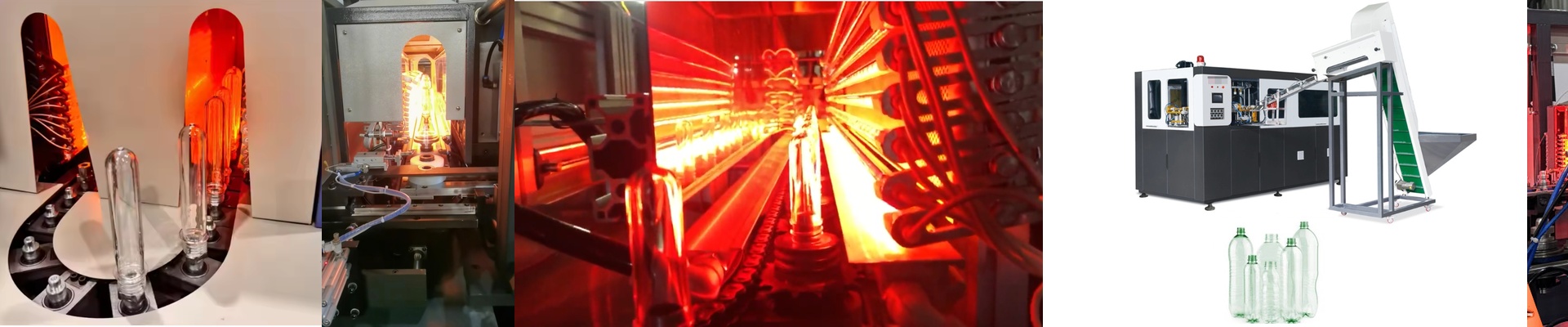
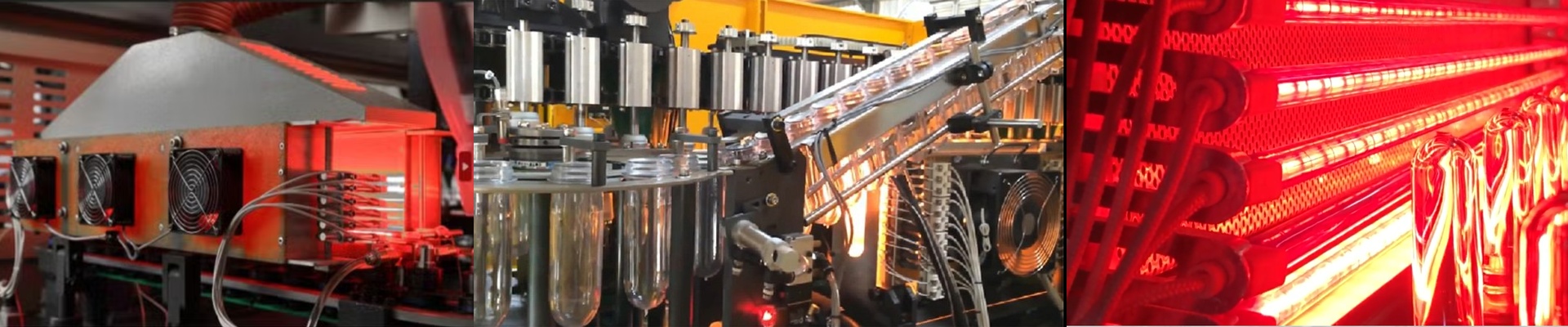
Let’s be honest: bathrooms are a nightmare for electronics. You’ve got thick steam, random water splashes, and those wild temperature jumps the second you turn on the hot water. Most heating elements just can’t handle it. They get hot, a cold drop of water hits them, and crack. The glass shatters, the circuit shorts, and suddenly you’ve got a broken mirror and a potential electrical fire. Not exactly the vibe you want while brushing your teeth. Dealing with the “Pop” That’s why we use explosion-proof quartz tubing. Here is the thing: regular quartz is temperamental. If a tiny droplet of cold water touches a tube sitting at 500°C, the stress is too much and it bursts. We’ve fixed that by reinforcing the walls and adding specific minerals to the silica. It makes the tube way tougher. It can take a beating from thermal shock and just… keep working. Instant Heat, No Waiting These lamps use short-wave infrared. Instead of trying to warm up all the air in the room (which takes forever), the heat goes straight to the mirror. It keeps the glass warm enough that the steam never has a chance to settle. You flip the switch and you feel the heat almost instantly. No more wiping the mirror with a towel and leaving streaks everywhere. A Few Things to Watch Out For Now, the quartz is tough, but the rest of the setup needs some love. The electrical connections are usually the weakest link. You’ve got to make sure your housing is sealed tight against steam. If moisture creeps into the terminals, they’ll corrode, and that’s where the real trouble starts. And a quick word of caution: these things put out a lot of concentrated heat. If you cram too many tubes into a tiny frame, you might actually melt your plastic mounts or ruin the silver backing on the mirror. It’s all about balance. Give the heat some room to breathe and always throw in a thermal fuse. That way, if the ventilation gets blocked, the system just shuts itself off before anything gets warped.