Why Your Old Bathroom Heater Keeps Dying (and What Actually Works)
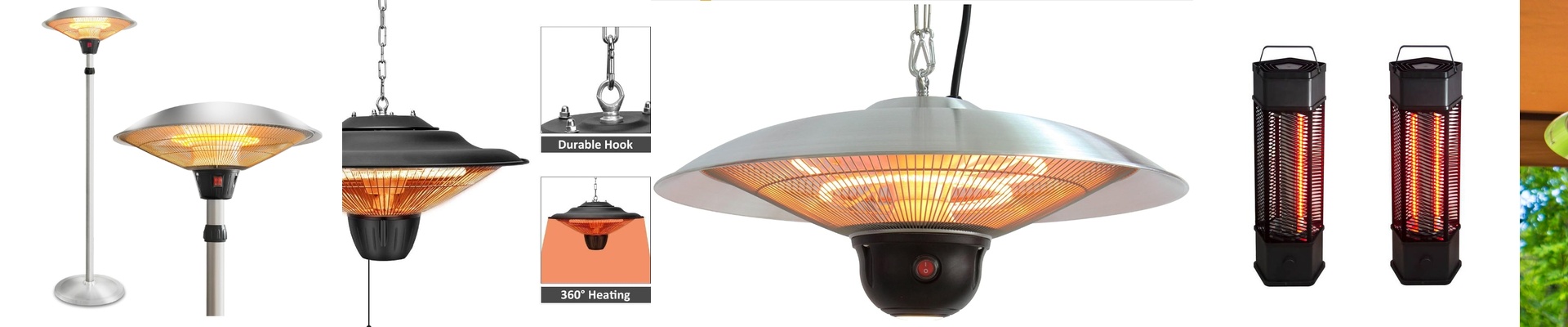
Let’s be honest: there’s nothing worse than stepping out of a hot shower into a freezing bathroom. Most of us grew up with those basic lamp heaters. They do the job for a while, but they’re usually pretty flimsy when it comes to moisture. Here’s the problem. Bathrooms are basically steam rooms. That thick mist finds every tiny gap in a cheap heater’s casing. Once the steam gets inside, it’s a countdown until something shorts out or the filament just snaps. It’s frustrating, and frankly, it’s a waste of money. The secret is in the seal. The newer, high-spec infrared heaters are built differently. They use sealed quartz and heavy-duty gaskets to keep the water out. But the real magic is how they heat you. Traditional heaters try to warm up the air. But in a steamy bathroom, you’re just wasting energy trying to heat up the humidity. Infrared is different. It sends heat directly to your skin. It feels like standing in a patch of sunlight on a cold day. Warmth is instant. We spend a lot of time on the wiring entry points, too. If those aren’t sealed tight, water can actually “crawl” along the wires right into the electrical terminals. When that happens? Pop. The unit trips, and you’re back to shivering. It’s not just “plug and play,” though. Adding this kind of power means we have to be careful. Because these units are sealed so tight to keep water out, they don’t breathe as much. We have to dial in the thermal cutoff switches perfectly so the heater doesn’t accidentally cook its own housing. Also, don’t just swap these into an old ceiling and hope for the best. These things pull a lot of power to get that surface temperature up quickly. You’ll want a dedicated circuit so you aren’t flipping your breaker every time you want a warm bathroom. Why bother with the upgrade? If you’ve ever noticed your old heater looking “cloudy” or dim after a few months, that’s the steam eating away at the reflectors. It’s gross, and it makes the heater less effective. The high-end stuff uses coated reflectors and glass-to-metal seals. No clouding. No dimming. Just a clean, steady heat that actually lasts. It’s a small change in the specs, but it’s the difference between a heater that lasts two years and one that lasts a decade.