Why we stopped building “disposable” bathroom heaters
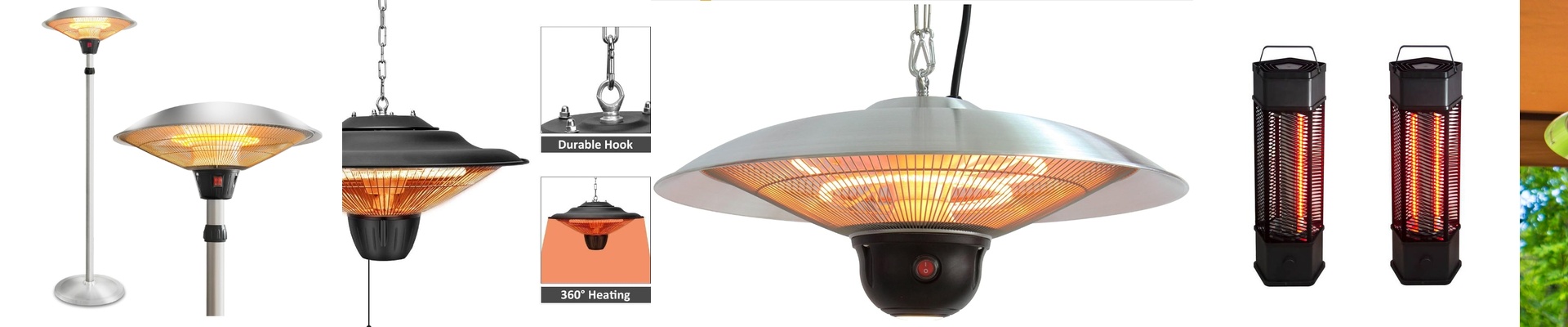
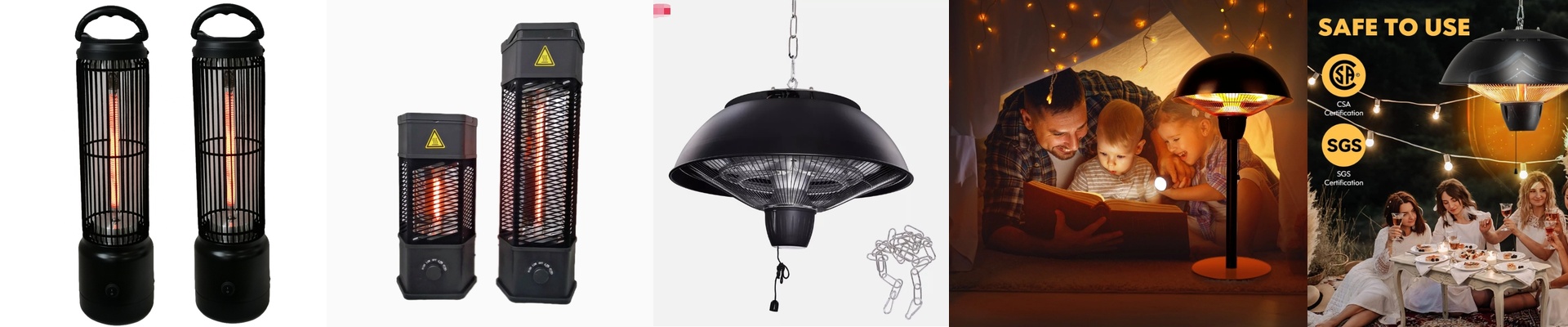
Most infrared heaters are basically sealed boxes. They work great—until they don’t. Usually, after five or so years of heavy use, a heating element burns out. And because everything is welded shut, you’re stuck throwing the whole fixture in the trash. It’s a waste. It’s annoying. And frankly, it’s a bit ridiculous. So, we did things differently. We built our systems to be modular.
The “Pop and Swap” Logic
Think of the heating element like a lightbulb. It’s a part that’s meant to be used up. Instead of burying the heating tube inside the main housing and power supply, we isolated it. You don’t have to rip the entire unit out of your ceiling or wall just because one part quit. You just pop the old tube out and slide a new one in. It’s fast. Really fast. A technician can get you back up and running in under ten minutes without even touching the primary wiring.
The Trade-off
Now, look, there’s a catch. To make something modular, you can’t weld every single joint shut. We use precision-fit clips and standard connectors to keep everything tight. Sure, a fully welded box might keep out a tiny bit more dust, but it’s a total nightmare when it comes to repairs. We’d rather deal with a slightly more complex assembly process on our end than have you replacing a 50kg fixture just because one 500W tube gave up the ghost.
Real-world Wear and Tear
After five years, the heat eventually takes its toll. The quartz envelope degrades or the internal filament snaps. That’s just physics. In a standard setup, that’s the end of the road for your heater. But with our layout, you just drop in a replacement. The original chassis and wiring stay exactly where they are. You only replace the core part that actually wore out. This means the footprint doesn’t change, and the electrical load stays exactly where it was the day it was installed. It’s just a practical way to handle the fact that high-intensity elements eventually burn out.