


Getting to the Heart of the Power: Voltage, Size, and Why It Matters
When we design these industrial-grade electric radiant floor heaters, we’re focused on one thing: serious, reliable heat. The core is a high-wattage halogen quartz tube, and here’s the neat part—we run it at 400V. That choice lets us pack a punch—2500W of power—into a surprisingly compact 300mm length. And because we’re using that higher voltage, the current is lower than a 230V version would need. So you get the benefit of using smaller wiring, and you don’t have to worry about voltage dropping off over longer runs. The short, dense footprint isn’t an accident. It’s intentional. It puts the heat right where you need it, instead of spreading it thin across the whole floor.
What’s Inside, and How It Holds Up
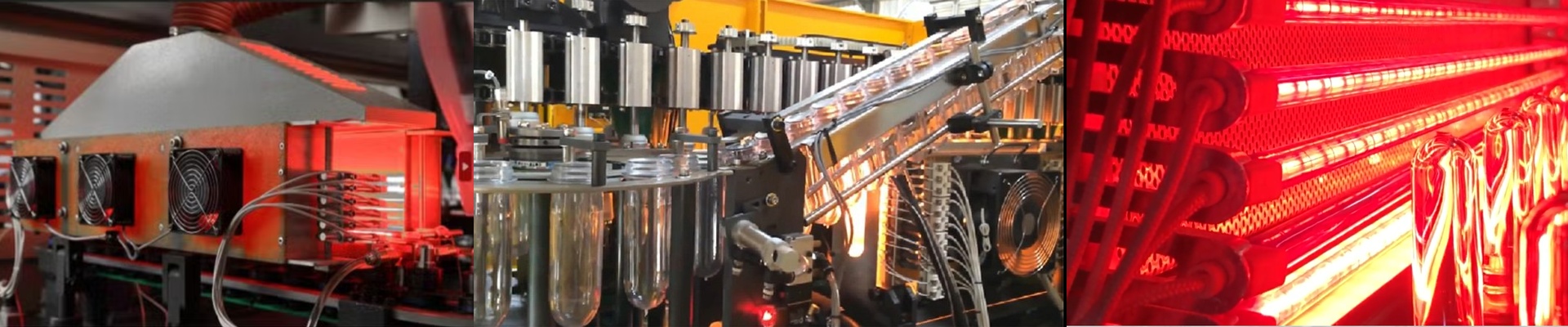
Inside, the halogen cycle keeps the filament stable, even when things get scorching hot. That means less blackening and steady output over time. The quartz envelope is built to handle rapid heating and cooling without cracking. And that internal reflective coating? It directs shortwave infrared downward, so the heat goes where you want it—not wasted in all directions. For the connection, we use an R7s connector. It’s quick to wire, stays secure even with vibration, and is rated for the heat load. This whole setup is engineered to take a beating in a machine shop and keep on going.
Where It Shines: PET Blowing and Floor Heating
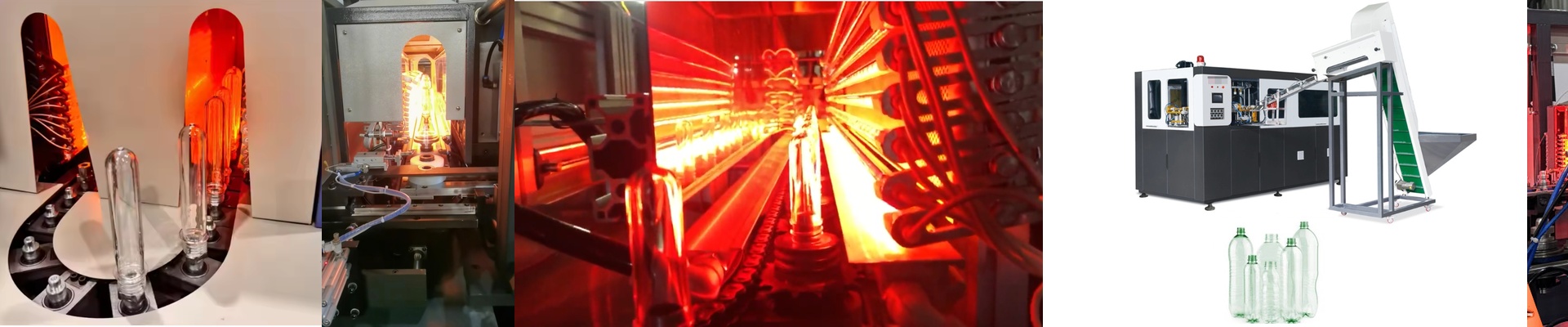
In applications like PET blowing, you need heat that’s fast and easy to control, right there at floor level. This configuration delivers high heat density, so you get a rapid warm-up and tight temperature control. The result? More consistent cycles. Now, with that kind of power, you do need to plan for proper cooling and ventilation. That keeps the surrounding electronics—and your team—safe. But for you, it means a heat source that’s simple to drop in, easy to service, and keeps the line moving.