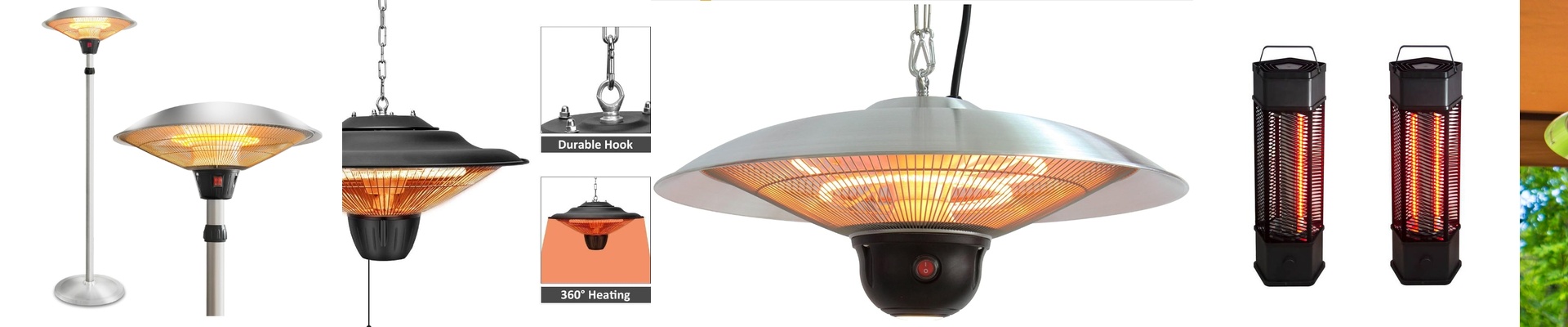
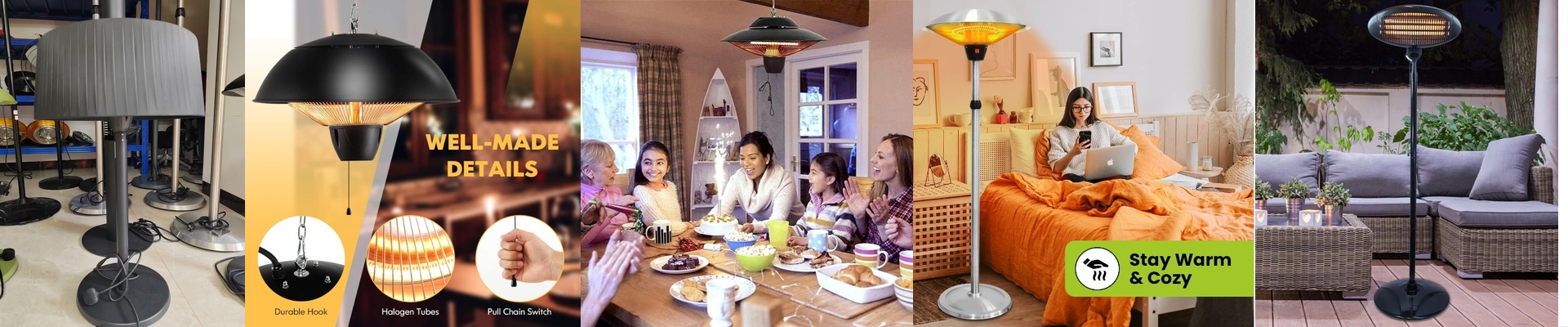
Keeping Your Outdoor Heaters Alive: The Truth About IP55
If you’ve ever put a heater on a patio, you know the struggle. Rain, wind, and just plain old dust are constantly trying to kill your equipment. It’s a battle. That’s why we obsess over the IP55 rating on our units. We aren’t just checking a box; we’re trying to make sure your heater doesn’t turn into an expensive piece of scrap metal after one winter.
What “IP55” Actually Means for You
You’ll see those numbers on the spec sheet, but here is what they actually do in the real world. The first “5” is all about the dust. It’s not a vacuum seal, but it’s enough to keep grit and grime from settling on the electrical terminals. Without that, you get shorts. Simple as that. The second “5” is the important one for rainy days. It means the unit can handle water jets hitting it from any angle. Think about mist, splashing, or a sudden downpour. We use silicone gaskets and sealed cable entries to lock the water out. If moisture gets into the wiring, it eats away at the contacts. Usually, that leads to a total burnout before the season is even over.
The Sneaky Danger of Condensation
Here is something most people miss: fog. When a heater cools down in a humid night, moisture clings to the quartz glass. Then, you flip the switch. The glass heats up instantly, the moisture reacts, and—snap—the thermal shock cracks the tube. It’s a nightmare. To stop this, we tweaked the shape of the housing. We angled the lamp head and tightened the seals so water just drains away. It stops the fog from hanging around, which keeps your heat steady and stops the glass from getting those ugly pits and spots over time.
The Trade-off
Now, there’s a catch. When you seal something this tight to keep the rain out, you lose some of that natural airflow. This means the chassis itself gets hotter because the heat is trapped inside. **Just a heads-up:**make sure your mounting brackets can handle the heat. You don’t want a support structure that warps because it wasn’t built for the temperature. We build these things to take a beating, especially if you’re living near the coast or in a place where it never stops raining. It’s a lot of work on the backend, but it means your internals stay dry and your heater actually lasts.