
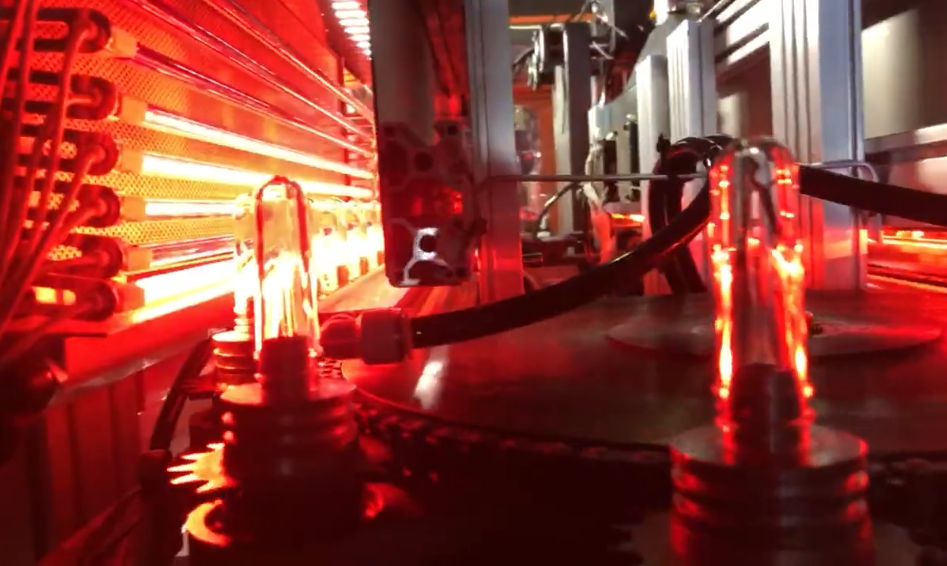
Getting Your Sidel Blomax Lamps Right
If you’ve ever tried to swap out lamps on a Sidel machine, you know it’s not as simple as just matching the wattage. If the heat profile is off, everything goes south. That’s why we built our replacement lamps to work across the board, from the old-school SBO models right up to the Matrix series.
The Nitty-Gritty on Heat
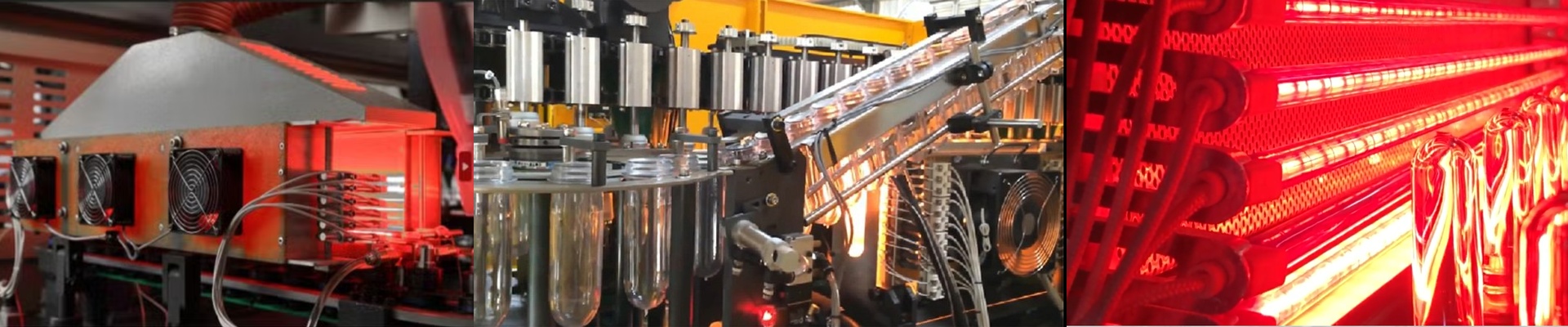
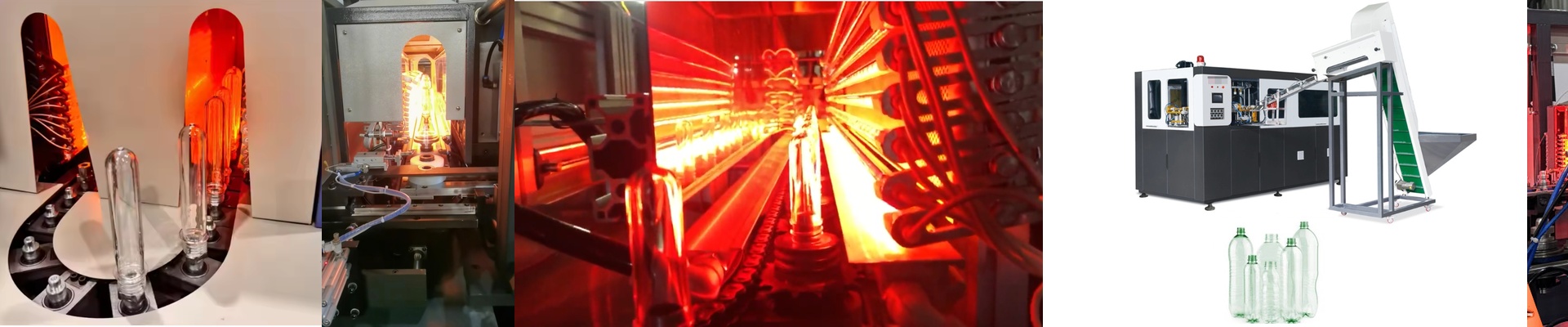
Here’s the thing: the Blomax 4 needs a very specific kind of infrared wavelength. It has to get deep into the PET preform without scorching the outside of the bottle. We make sure our tubes hit the exact voltage and wattage the original specs called for. This means you won’t be dealing with tripped power supplies or erratic heating curves. Just a heads-up: these high-wattage shortwave lamps put out a lot of intense heat. Make sure your oven ventilation is actually clear. If heat builds up in there, your lamps are going to burn out way faster than they should.
No Messy Modifications
We wanted these to be true “drop-in” replacements. No one wants to spend their afternoon messing with brackets or rewiring a machine. We mirrored the exact length and connector shapes used in the SBO and Matrix lines, so they just slide right in. We also used high-grade quartz glass. It’s tough, which is important because rapid heating and cooling cycles can be brutal on cheaper glass. Plus, we positioned the electrodes carefully so you don’t have to worry about arcing when you’re installing them.
Better Bottles, Less Scrap
Ever seen those annoying “hot spots” or uneven walls in your finished bottles? That usually happens when you use a lamp that isn’t quite right. Our lamps throw a uniform radiation pattern across the whole tube. It keeps the heating even, which keeps your scrap rate low. It’s just a smoother process. One last tip: if you’re replacing an old OEM lamp that’s been dying slowly, you might need to tweak your PLC settings a bit. Since the new lamp will actually be putting out full power again, the heat will be stronger. And do yourself a favor—replace them in matched sets for each oven zone. It’s the only way to keep the thermal balance steady.