Stop Fighting Your SIPA Rotary Oven
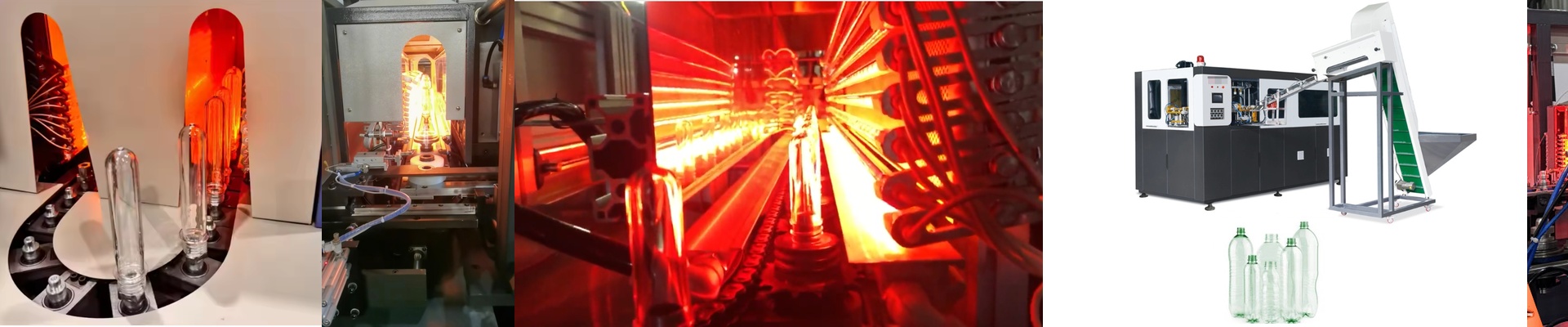
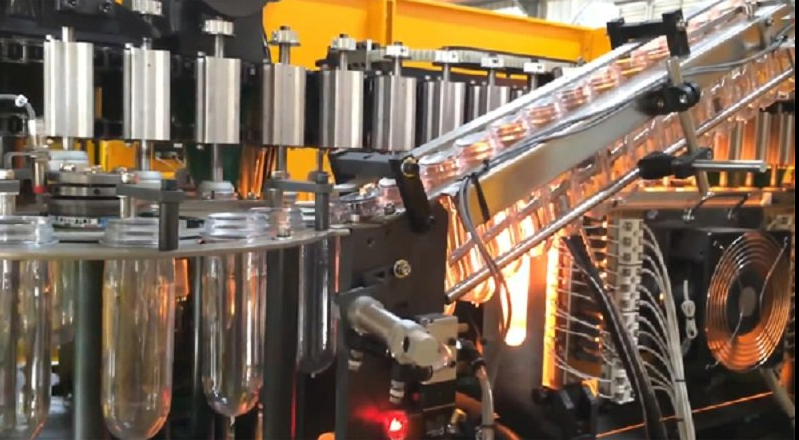
If you’ve ever dealt with bottle failures or weird wall thickness issues on a SIPA rotary machine, you know the frustration. You’re chasing your tail trying to get the heat right, but the bottles just aren’t coming out consistent. Usually, the culprit is something simple: the lamps. A lot of operators make the mistake of mixing and matching infrared lamps from different batches. It seems harmless, but if the wattage isn’t a perfect match for the original KRONES spec, you end up with “cold spots” in your oven. And in blow molding, a cold spot is a nightmare.
Why the numbers actually matter
Consistency is everything here. We build our lamps to hit exact voltage and wattage targets because even a tiny 5% difference messes with the thermal profile of the PET. When that happens, you’re stuck. You either have to slow the whole machine down—which kills your productivity—or crank up the heat and risk burning the preform. It’s a lose-lose situation.
The gear under the hood
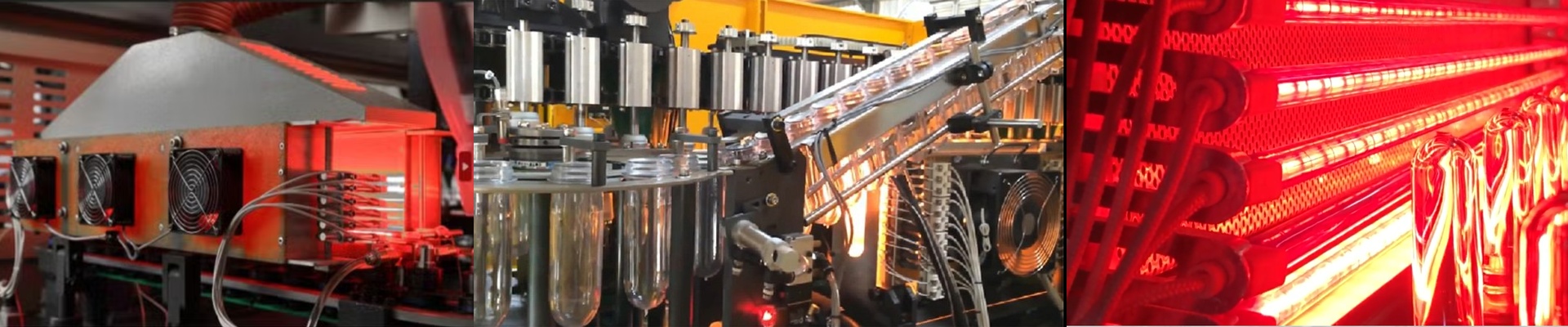
These aren’t your run-of-the-mill bulbs. We use high-density quartz glass and specific coatings designed to push short-wave radiation exactly where it needs to go. Depending on your oven rack, we use R7s or Sk15 connectors. We’re obsessive about the fit because a loose connection leads to arcing at the terminals, and nobody wants that. The real secret, though, is the coating. Instead of letting heat soak back into the lamp housing, it reflects everything forward into the preform. It keeps the lamp from overheating while hammering the plastic with the heat it needs.
Real talk for the shop floor
The best part? These are just drop-in replacements. You pull the old, burnt-out tube, wire these in, and you’re back in business. No need to rebuild the oven. But a quick word of advice: high-wattage lamps pull a lot of power. If you’re moving to higher power density tubes, take a second to check your contactors and wiring. Overloaded circuits will trip your breakers or fry your new lamps before they even get a chance to work. Also, don’t just replace one bulb here and there. Swap them out in full sets per zone. It’s the only way to make sure the heating stays even across the entire rotary carousel.